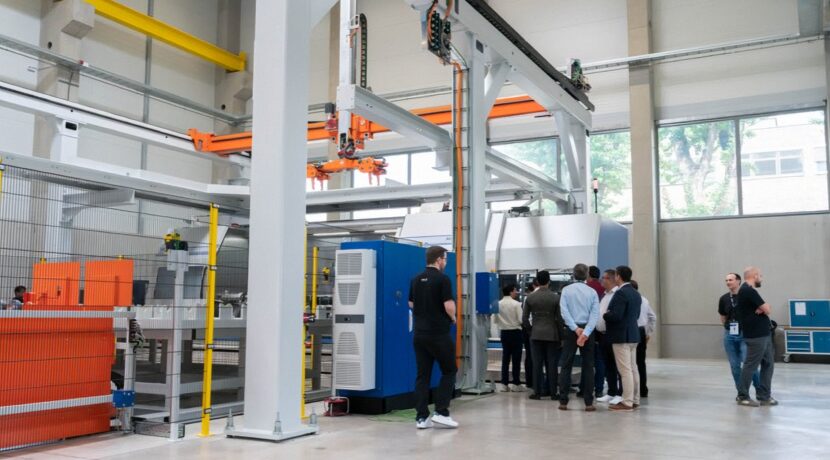

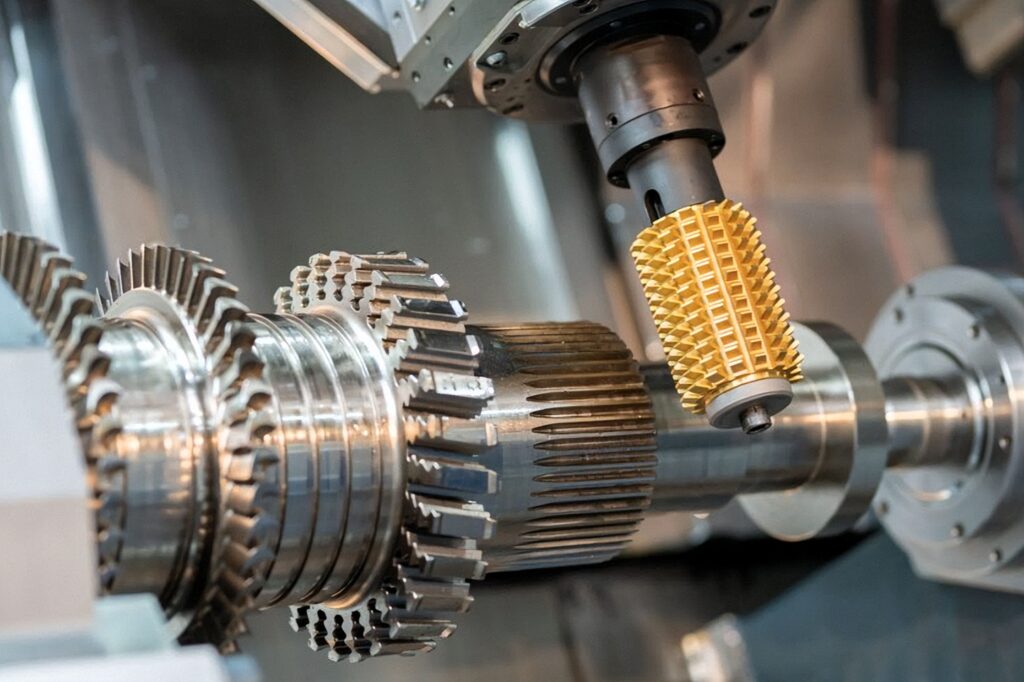
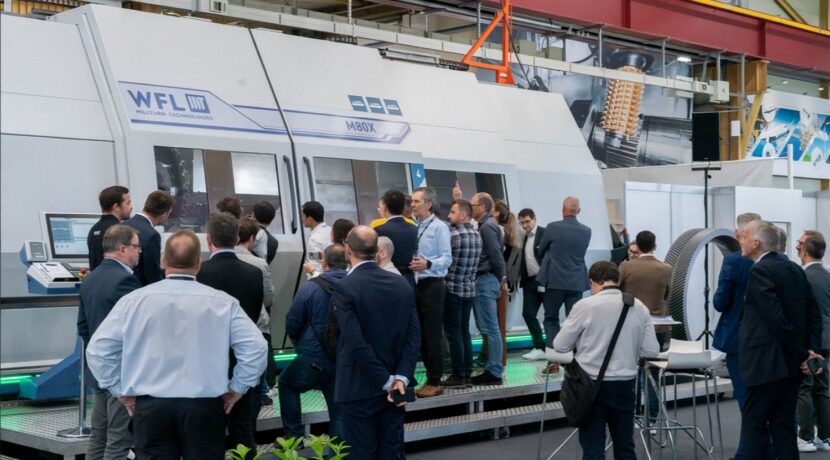
WFL used its Technology Meeting 2026 in Linz to show complete machining under practical conditions, with 12 MILLTURN machines running live demonstrations. Around 1,000 visitors from Austria and abroad attended the three-day event. The focus was not only on machine capability, but also on automation, internal machining, and application-specific discussions.
The event placed complete machining at the center of the program. Visitors could see machines, from compact configurations through to large-scale systems. Each was presented with live processes rather than static exhibits. This gave users, technical managers, and decision-makers a direct view of how different machining strategies behave in real applications.
The discussions around the machines were an important part of the meeting. According to WFL, many visitors came with specific requirements and used the event to examine possible approaches with the company’s specialists. Therefore, the format was more than a product presentation. It functioned as a technical exchange around cycle concepts, process reliability, machining performance, and the integration of complete machining into production environments.
Live machining across the MILLTURN range
The 12 MILLTURN machines in operation gave visitors a broad view of WFL’s current machine portfolio. By showing different sizes and configurations, the event made it possible to compare compact systems with machines intended for larger and more complex components. For production professionals, this is relevant because the value of complete machining depends strongly on the match between machine concept, part geometry, and process sequence.
The demonstrations covered a variety of machining processes in practical applications. Instead of presenting isolated functions, WFL showed machines and manufacturing processes working together as part of complete machining strategies. This approach is useful for assessing process stability and understanding how turning, milling, and related operations can be combined within one machine environment.
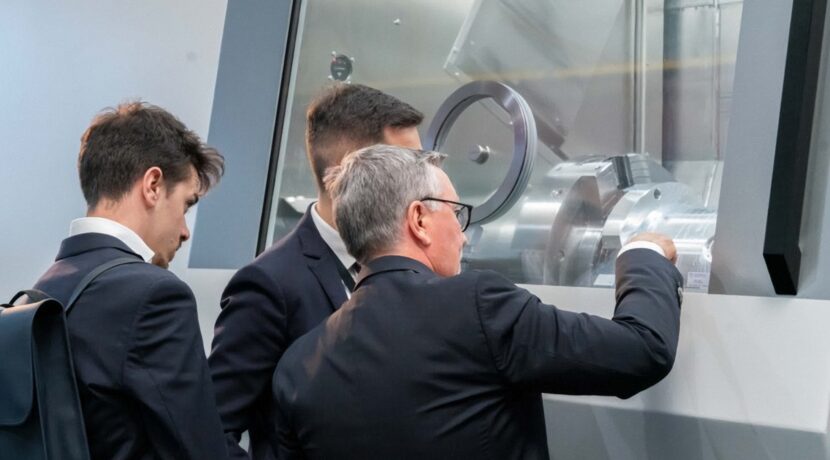
A central point in these demonstrations was the exchange between users and WFL experts. Live operation makes technical questions more concrete. Visitors could discuss individual requirements directly at the machine, including the suitability of certain processes, possible limitations, and the practical implications for production planning.
M80CSX highlights machining performance
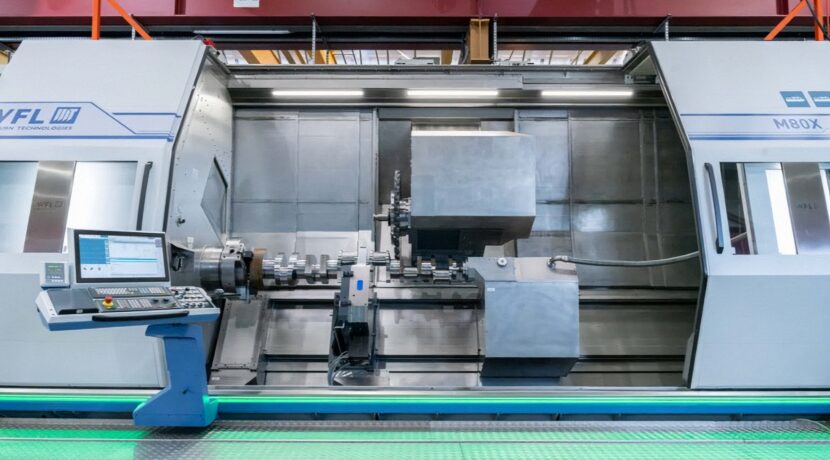
One of the most closely watched machines at the event was the M80CSX MILLTURN equipped with a disc milling unit. WFL presented the machine in several live machining demonstrations, with attention on its ability to combine complex machining with process reliability and high chip removal capacity.
For users, this combination is important because demanding components often require more than individual high-performance operations. The complete process must remain stable, especially when machining involves heavy material removal and complex geometries. The M80CSX demonstration showed how these requirements can be addressed within a complete machining platform.
The disc milling unit added a specific technical focus. In applications where milling performance and reliable process behavior are critical, the integration of such a unit can influence productivity and machining consistency. The demonstrations allowed visitors to assess not only the machine’s dynamic behavior, but also how the process is handled in practice during live cutting.
Automated angle head extends internal machining options
WFL also presented what it describes as the world’s first angle head of its kind with automatic tool change. The solution is intended for internal machining and combines high-speed capability, integrated media supply, and automated operation in one system.
The practical relevance lies in machining complex internal geometries within a single setup. Internal features can be difficult to access, and every additional handling step adds complexity to the overall process. By enabling automatic tool change for an angle head, WFL is addressing an area where flexibility and process reliability are closely connected.
The integrated media supply is another important point. In internal machining, the delivery of media to the cutting zone can affect chip evacuation and process behavior. Combined with high-speed capability and automation, the angle head is designed to support efficient machining of complex internal contours without turning the operation into a separate manual intervention.
Automation moves toward linked production
Automation was one of the most discussed subjects at the Technology Meeting. WFL showed the interlinking of multiple machines with automated loading by gantry loader, presenting a production approach that goes beyond stand-alone machine automation.
This is relevant for manufacturers looking at more consistent and connected processes. Automated loading can reduce manual handling between operations, while linked machines create the basis for more continuous production sequences. The demonstration showed how machine interlinking, control, and networked systems can be combined in an end-to-end process.
Visitors were particularly interested in the shift from individual automation solutions to broader production systems. For machining companies, that distinction matters. A single automated cell can improve one process step, but linked systems raise questions about workflow, scheduling, part flow, and integration. The discussions in Linz focused on these practical aspects, with many conversations continuing beyond the event as potential joint projects.