
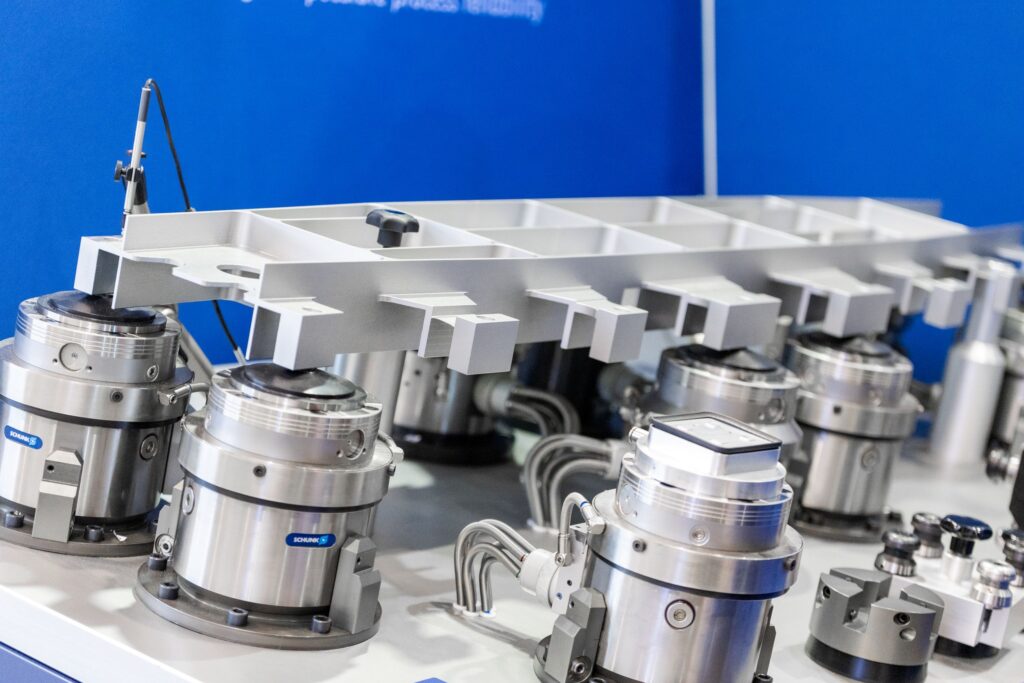
At AMB 2026 in Stuttgart, SCHUNK will present clamping and automation systems that connect workpiece and tool handling with machine loading. The focus is coordination across the process chain. By reducing changeover work and manual intervention, manufacturers can use installed machine capacity more effectively. The systems are designed to maintain repeatable processes.
The exhibition presentation covers clamping technology from individual workholding solutions to complete systems for automated production. SCHUNK focuses on stable processes, short setup times and interaction between machining and automation. This is especially relevant for small batches, changing workpiece geometries and frequent product changes. In these conditions, productivity depends on more than cutting time. It also depends on how reliably workpieces, pallets and tools move through the process. At AMB, the company will also address applications beyond standard clamping equipment. These include complex components, unusual geometries and industry-specific requirements in aerospace and infrastructure. The systems on show range from zero-point clamping and four-jaw chucks to toolholding accessories and customised engineering assemblies.
Pneumatic and electric clamping in an automated process
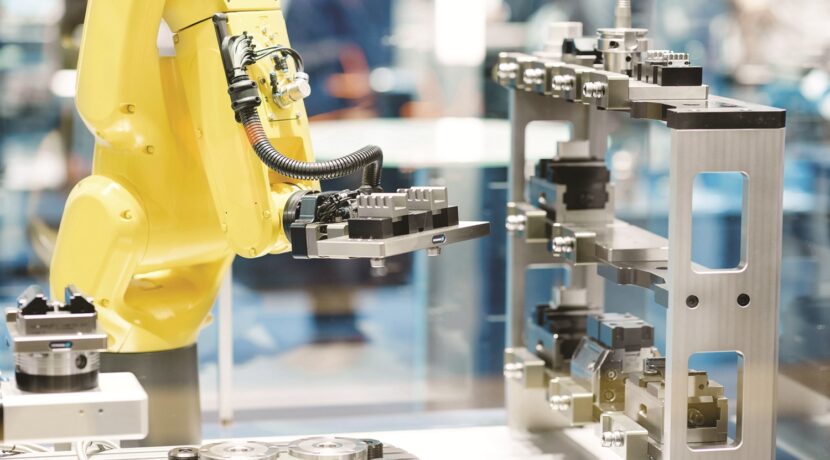
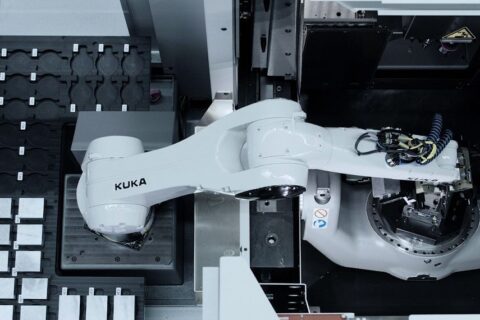
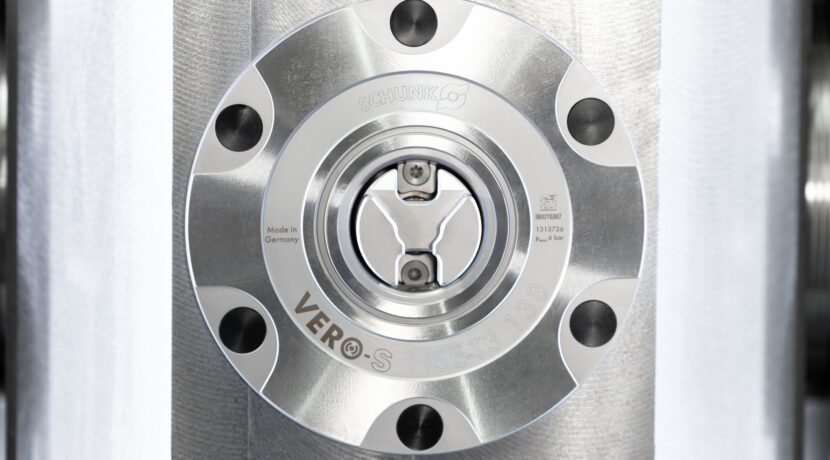
A live application at the stand will demonstrate the combination of pneumatic and electric VERO-S zero-point clamping modules. An autonomous mobile robot with a robot arm transfers workpieces or pallets between a setup station and a machine tool. The aim is to combine loading, unloading and clamping in one coordinated sequence. This avoids treating each activity as a separate manual step. The pneumatic modules are intended for applications requiring high forces, dynamic performance and direct machine integration. Electric modules suit autonomous systems and flexible logistics without a compressed-air supply. Combining both technologies allows the clamping process to extend beyond the machine tool. It also avoids interrupting the energy supply.
SCHUNK will also introduce the VERO-S taper aligning hook. This retrofittable safety accessory is designed for loading and unloading clamping towers. VERO-S modules can be released in sequence when used with clamping towers. This supports faster changeovers. The new hook is intended to improve process safety during these handling operations.
Flexible workholding for turning and milling
For workpieces with changing shapes and smaller batch sizes, SCHUNK will present the ROTA THW3 2+2 power-operated four-jaw chuck. The chuck uses centrically compensating clamping. This allows users to clamp workpieces ranging from round parts to irregular geometries. The flexibility is relevant where production must accommodate varied components without extensive conversion work. The fully sealed design is intended to provide consistent clamping forces and longer maintenance intervals. Stable clamping conditions support handling reliability and consistent workpiece quality during turning and milling. SCHUNK offers a range of jaws for different materials and geometries. As a result, the same chuck body can cover more applications. The focus is therefore on reducing the effort required to change between workpieces. At the same time, the chuck retains a dependable clamping process. This can be significant when frequent setup operations affect machine availability more than long production runs.
Toolholding supports stable machining
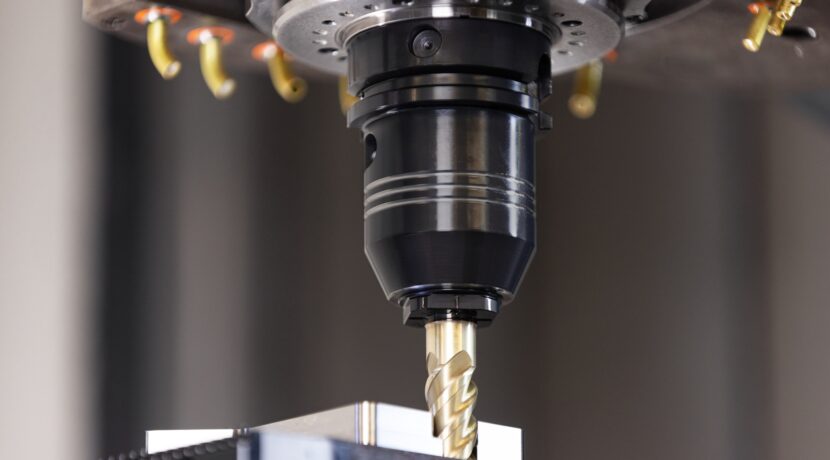
Tool clamping is another part of the process chain highlighted at AMB. SCHUNK’s portfolio includes mechanical toolholders, vibration-damped holders and intelligent systems for process optimisation. Holder selection affects surface quality, stability and accessibility. It also affects the ability to achieve the required tolerances and contours during machining. Among the new products are Tool Guard intermediate sleeves for heavy-duty machining. These sleeves can be used in SCHUNK toolholders and common hydraulic expansion holders. Their integrated pull-out protection is designed to increase radial rigidity. It also helps reduce bending loads on the tool shank. This is particularly relevant for dynamic milling strategies. In these applications, the toolholder must support reliable cutting conditions under changing loads. By limiting movement at the tool interface, the sleeve is intended to support consistent machining results. The accessory addresses a factor that can influence process stability. It does so without requiring a complete change to the existing toolholding system.
Engineering for application-specific clamping
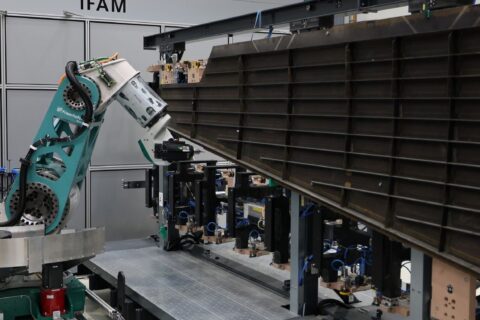
Where standard products do not fit the workpiece or process, SCHUNK Engineering develops adapted modules and complete functional assemblies. The work combines standard components and systems with application knowledge and a structured engineering process. The objective is to address requirements created by complex geometries, special workpieces or specific production conditions. The aerospace sector provides one example. VERO-S Aviation is intended for structural components that require extensive setup work. Its compensation system reduces clamping forces. This enables flexible clamping with minimal distortion. Combined with vibration-damped toolholders, the system is designed to support surface quality and dimensional accuracy during machining.
For infrastructure applications, SCHUNK will refer to its MAGNOS Rail clamping system. This system is used to clamp rails, disconnectors and rail vehicle components during milling. Its stated focus is safe, maintenance-free clamping with process stability. Together, these applications show how clamping concepts can be configured from standard products, modular systems or fully customised designs. The choice depends on the component and production process.