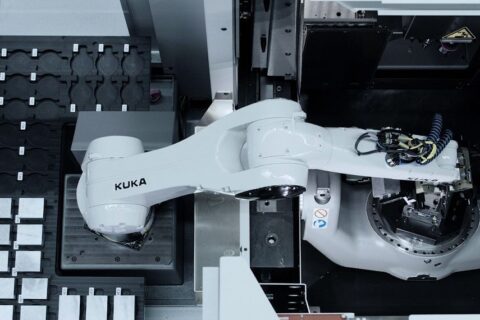
Gear machining is moving beyond dedicated production cells and into flexible CNC and multitasking machines. Mazak is responding with machine concepts that combine turning, milling and gear machining in one setup. For smaller batches and complex workpieces, this can reduce the need to outsource gears or organize gear production as a separate process.
For many years, gear production was mainly handled by specialist companies using dedicated gear-cutting machines and specific process knowledge. That remains important. However, it is no longer the only practical route. Modern CNC machines, multitasking technology and dedicated software now make it possible to integrate gear operations into a wider machining environment.
Mazak presents this development as an addition to conventional gear production, not as a replacement for classic gear-cutting machines. The value lies in combining several operations on one machine, producing smaller series economically and making better use of unattended production. As a result, this fits a manufacturing environment in which workpieces are becoming more complex, batch sizes are smaller and delivery times are under pressure.
Gear machining in one setup
Within the Mazak portfolio, five-axis machines, CNC lathes and multitasking machines are available for gear machining. The emphasis is on machines that can combine turning, milling and gear processes without moving the workpiece to another machine. This can simplify the production route, especially when gear features are part of a more complex component.
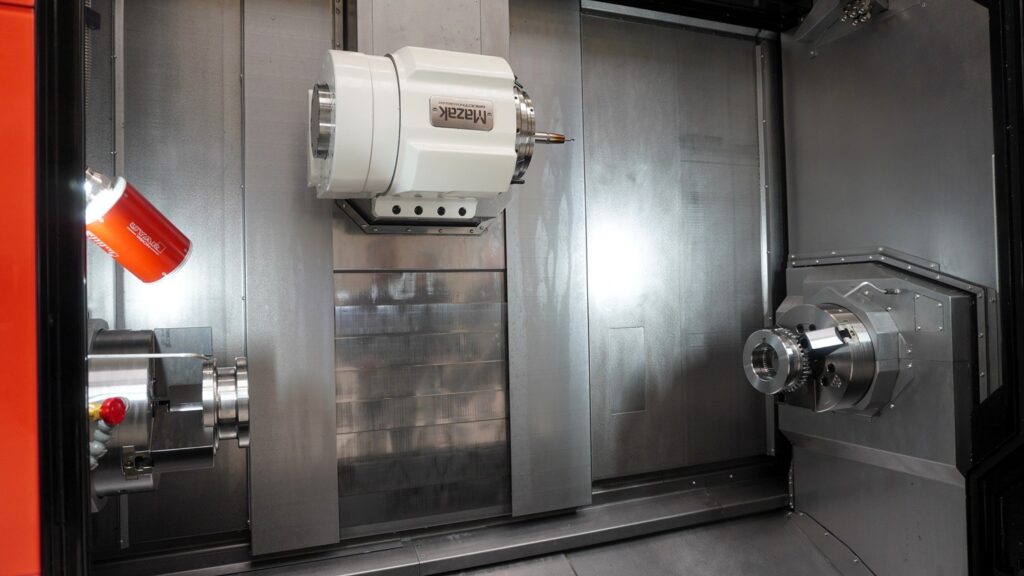
A key example is the Integrex AG series, with AG standing for Auto Gear. This machine variant is based on a standard Integrex multitasking machine, but is equipped with additional gear-machining functionality. The basic machine concept is therefore familiar. The difference lies in the combination of hardware, control functions, software and options that make gear operations practically usable.
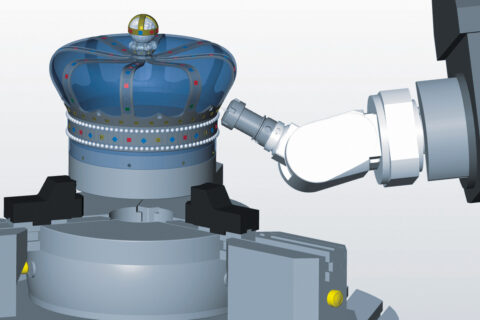
The swiveling milling head and two spindles allow turning and milling to be carried out in one setup. That same configuration also supports the integration of skiving, hobbing and gear milling. Mazak has added control functions and programming cycles for gear hobbing, power skiving and gear milling, so these processes are not only mechanically possible but can also be programmed within the machine environment.
Why skiving depends on machine control
Among the available gear technologies, power skiving fits closely with the capabilities of multitasking machines. The process is demanding because the tool is positioned at an angle to the workpiece while both rotate at the same time. The cutting motion is created by the relationship between these two rotating movements.
This makes synchronization between the workpiece spindle and the tool spindle essential. They do not have to run at the same speed, but they must rotate continuously in an exactly defined ratio that corresponds to the required tooth geometry. In practice, the limits of power skiving are therefore determined not only by the tool but also by the speed, stability and control performance of the machine.
That is where Mazak positions a machine such as the Integrex AG. By placing gear machining inside a multitasking environment, companies can keep more operations within their existing machining process. The approach is especially relevant where flexibility, smaller batches, complex workpieces and unattended production are more important than high-volume gear production on dedicated equipment.