
Laser Zentrum Hannover e.V. will use Hannover Messe 2026 to show how photonics and additive manufacturing are moving closer to day-to-day industrial use. At two Lower Saxony joint booths, the institute will present optical systems for secure communication and mobile analysis, alongside services and application support for companies looking to use laser technology and industrial 3D printing more effectively.
The presentation is spread across two exhibition areas. In Hall 11, stand B56, LZH appears together with the Cluster of Excellence PhoenixD at the joint booth of the Lower Saxony Ministry of Science and Culture. There, the focus is on integrated photonics and compact optical systems designed for real applications. In Hall 15, stand A14, LZH is also part of the Niedersachsen ADDITIV presentation at the joint booth of the Ministry of Economic Affairs, Transport and Construction. This second presence places more emphasis on industrial implementation. The institute wants to show how companies can use practice-oriented research in fields such as optical coatings, laser development and laser materials processing. At the same booth, Niedersachsen ADDITIV addresses small and medium-sized enterprises with examples of how additive manufacturing can be introduced in a practical and economically relevant way.
Compact optical systems for secure communication and analysis
One of the main exhibits in Hall 11 is a ready-to-use quantum key distribution system developed in connection with PhoenixD. The system uses quantum optics to secure data transfer against tampering. In practical terms, that positions the technology as a tool for more robust and sovereign digital infrastructure, particularly where secure communication is critical.
PhoenixD will also present the SmartSens optical test system, which is designed to turn smartphones into mobile analysis devices. That points to a broader trend in photonics, compact, intelligent systems that move optical functionality out of specialized laboratory environments and into more flexible use cases. For industrial users, the relevance lies in accessibility and deployment. Systems that are smaller, application-oriented and easier to use can lower barriers to adoption and broaden the range of environments in which optical measurement or communication technologies can be applied. LZH and PhoenixD frame both exhibits within a shared objective of making integrated photonics usable across a wider spectrum of applications.
Service portfolio aimed at industrial development
In Hall 15, LZH will focus on its role as a research and development partner for industry. The institute emphasizes that it works independently of manufacturers and under confidential conditions, a combination that can be relevant for companies evaluating new processes or products without committing early to a specific equipment supplier.
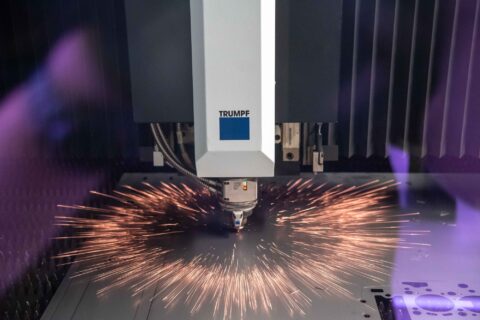
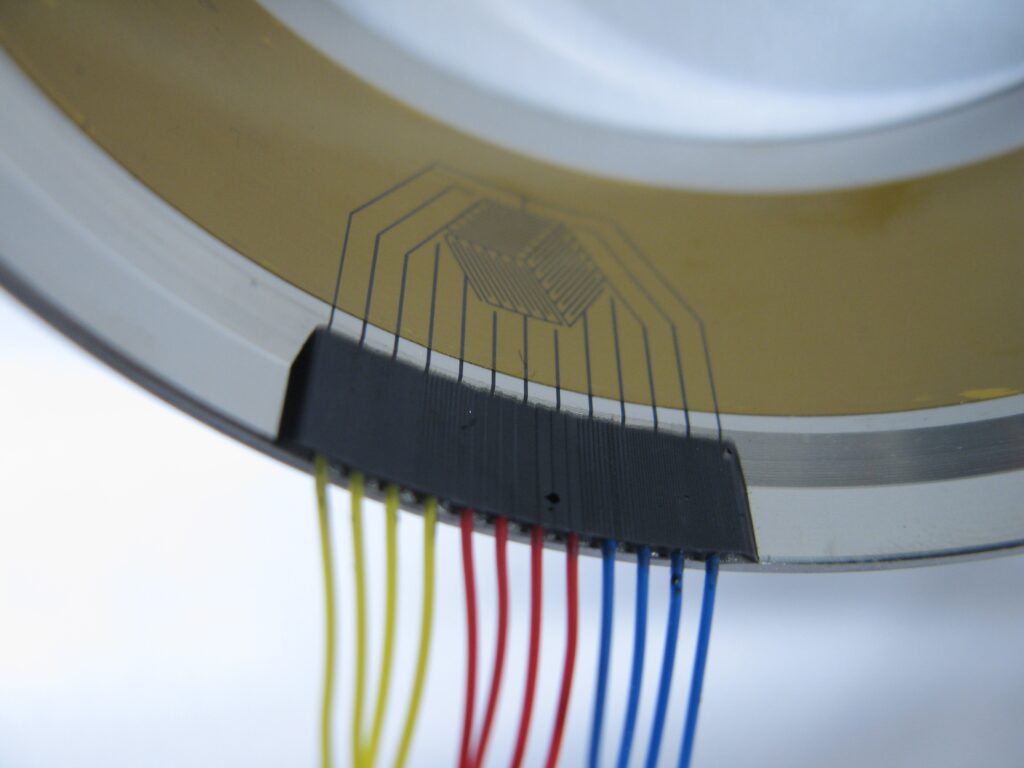
The services presented cover optical coatings, laser development and laser materials processing. LZH specifically points to work in laser micromachining and the joining of challenging materials. For manufacturers, those capabilities are tied to concrete process questions, such as how to machine small features reliably, how to process demanding material combinations, or how to integrate laser-based steps into an existing production route. The institute also highlights thin-film strain sensors as part of its application spectrum. That underlines that its portfolio is not limited to process development alone, but also includes functional layers and components that can support monitoring or performance enhancement in technical systems.
Additive manufacturing focused on implementation in SMEs
At the same Hall 15 booth, Niedersachsen ADDITIV will present additive manufacturing as a production option for small and medium-sized enterprises. The project is positioned as a practical support structure that helps companies move from initial questions to implementation. The emphasis is not on 3D printing as a general concept, but on how specific components can be redesigned and qualified for industrial use.
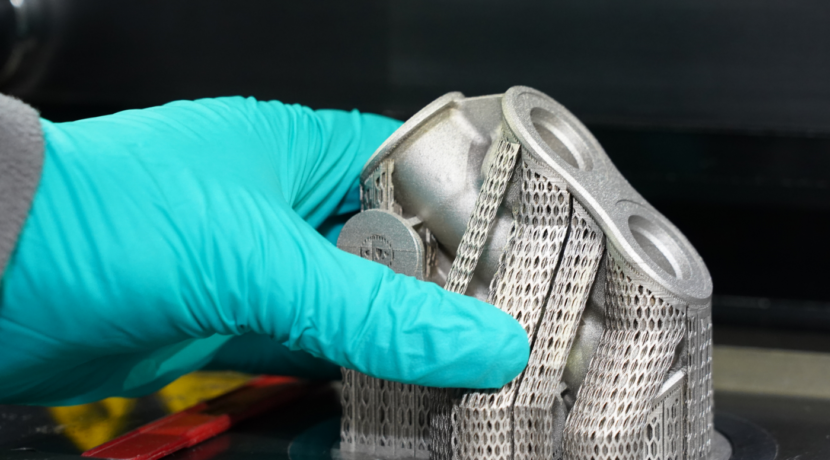
This year, the focus is on high-strength additively manufactured parts that can replace conventionally machined metal components. According to the material provided, suitable design approaches and material choices can reduce costs, shorten delivery times and eliminate tooling. That combination is especially relevant where lot sizes are smaller, geometries are demanding, or product changes are frequent. Niedersachsen ADDITIV will illustrate this using examples from fiber-reinforced plastics, specialty resins and fine metal structures. The underlying message is that additive manufacturing delivers the most value when parts are adapted to the process rather than transferred unchanged from conventional design logic. For companies assessing entry into industrial 3D printing, that process-oriented approach is likely to be one of the more useful takeaways from the fair.