
Fraunhofer ADDITIV will play a visible role at rapid.tech 3D 2026 in Erfurt, with conference contributions, expert discussions, and a new short course format. The program is relevant for industrial users because it links additive manufacturing research directly to application fields such as mobility, plant engineering, aerospace, repair, and occupational safety.
The Fraunhofer Competence Field Additive Manufacturing is using the event to address both technical developments and practical implementation questions. Rather than focusing on a single process or market segment, the program spans several industries in which additive manufacturing is moving from isolated applications toward more integrated production and supply chain concepts.
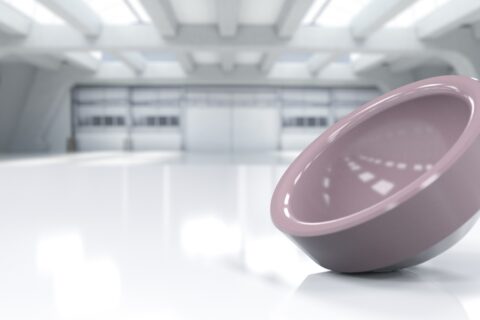
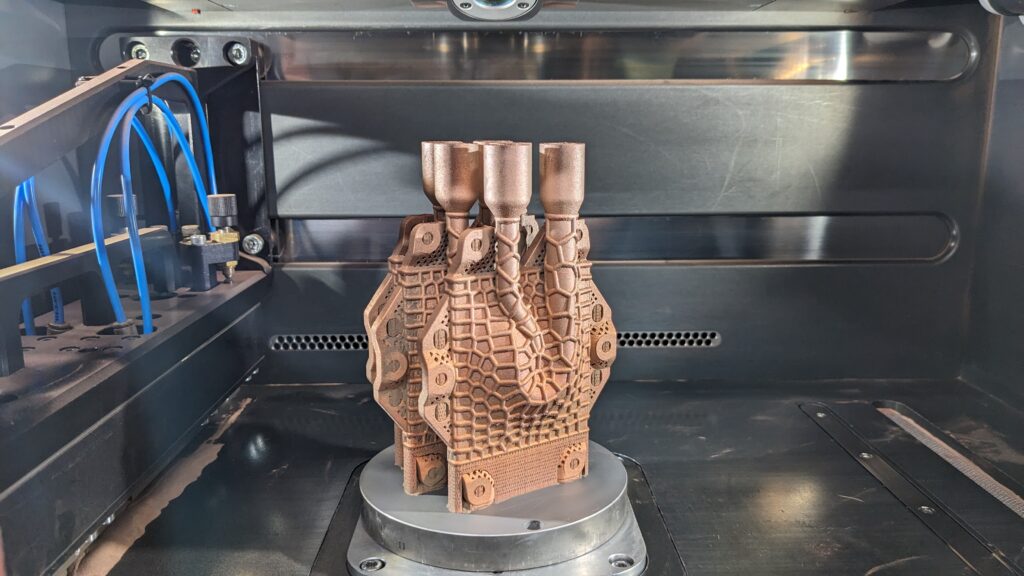
At the technical conference, Fraunhofer ADDITIV will contribute presentations marked as “powered by Fraunhofer ADDITIV.” These sessions are organized with industry partners and are intended to show where additive manufacturing is already being tested or applied under industrial conditions. The topics range from large-format LPBF and specialty vehicle manufacturing to hybrid manufacturing chains, repair processes, ceramic components, cooling systems for data centers, and polymer satellite components.
The wider rapid.tech 3D format also combines exhibition, conference, and networking elements. For visitors, this makes the event less a showcase of individual machines and more a place to compare processes, materials, applications, and business models across the additive manufacturing value chain.
Industrial applications across several sectors
The conference program reflects how broadly additive manufacturing is now being evaluated. In Automotive & Mobility, Fraunhofer ADDITIV will address large-format LPBF processes and near-series applications in specialty vehicle manufacturing. For production companies, this is important because larger build volumes and near-series use cases raise different questions than prototyping, including process stability, repeatability, component qualification, and integration into existing production environments.
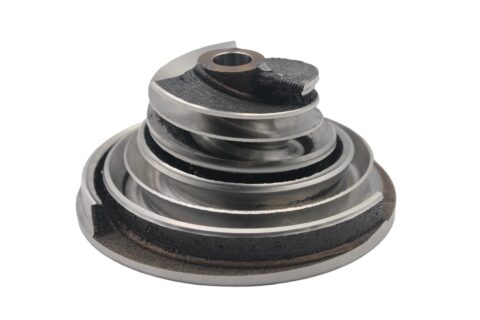
Other sectors bring different requirements. In Emerging & Supply Chain Industries, the focus includes hybrid manufacturing chains and repair processes. These topics are closely linked to availability, resource use, and the ability to restore high-value components instead of replacing them. In Chemistry, Process & Plant Engineering, the program includes ceramic components and new cooling systems for data centers. These examples point to applications where material behavior, thermal management, and component geometry can strongly influence performance. In Aerospace & Defense, additively manufactured satellite components made from functional polymers will be presented, highlighting the role of material functionality alongside part design.
The common thread is not additive manufacturing as a stand-alone technology, but its use within demanding industrial settings. That makes the conference content relevant for engineers and managers who need to assess where AM can add value and where process maturity, material selection, or qualification still require close attention.
Expert tables focus on practical barriers
Fraunhofer ADDITIV will also help shape the Expert Tables at rapid.tech 3D. These interactive formats are designed for direct exchange between experts, users, and interested participants. The topics include hybrid manufacturing processes, toolmaking, medical applications of additively manufactured polymer components, and multi-material 3D printing.
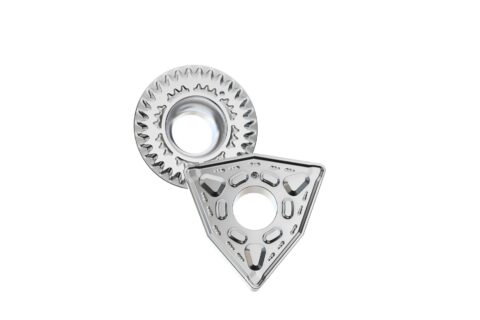
This type of discussion is particularly useful because many AM challenges are not solved by equipment choice alone. Hybrid process chains, for example, often require coordination between additive steps, machining, inspection, and post-processing. Toolmaking brings its own demands around durability, surface condition, and cycle times. Medical polymer components introduce questions around material suitability, process control, and application-specific requirements. Multi-material printing adds further complexity because it requires control over material combinations and interfaces.
By bringing industrial companies and research institutions into the same discussions, the Expert Tables aim to identify current obstacles and possible routes forward. For users, the value lies in comparing experiences and clarifying what is already feasible in practice, rather than viewing additive manufacturing only through finished demonstrator parts.
Short courses add structured training to the event
A new element at rapid.tech 3D 2026 is the introduction of Short Courses, offered for the first time in collaboration with Schmalkalden University of Applied Sciences, Center for Continuing Education. The format allows participants to combine their trade show and conference visit with certified continuing education.
Depending on participant numbers, the courses are scheduled for Tuesday morning, May 5, and Thursday afternoon, May 7, directly before and after the main trade show and conference program. The aim is to provide practical depth on selected topics in a compact format. This is relevant for companies that need to build internal AM knowledge but cannot always release staff for longer training programs.
Fraunhofer ADDITIV is actively involved in developing one of the short courses, which focuses on occupational safety in additive manufacturing. The course is organized by Fraunhofer IPA and the University of Bayreuth and addresses risk assessment and guidelines. For industrial users, this topic is central to implementation. AM processes can involve powders, materials, machines, and post-processing steps that require clear procedures and documented responsibilities. Treating safety as part of the production concept, rather than as an afterthought, supports more reliable and manageable adoption of additive manufacturing in the workplace.