
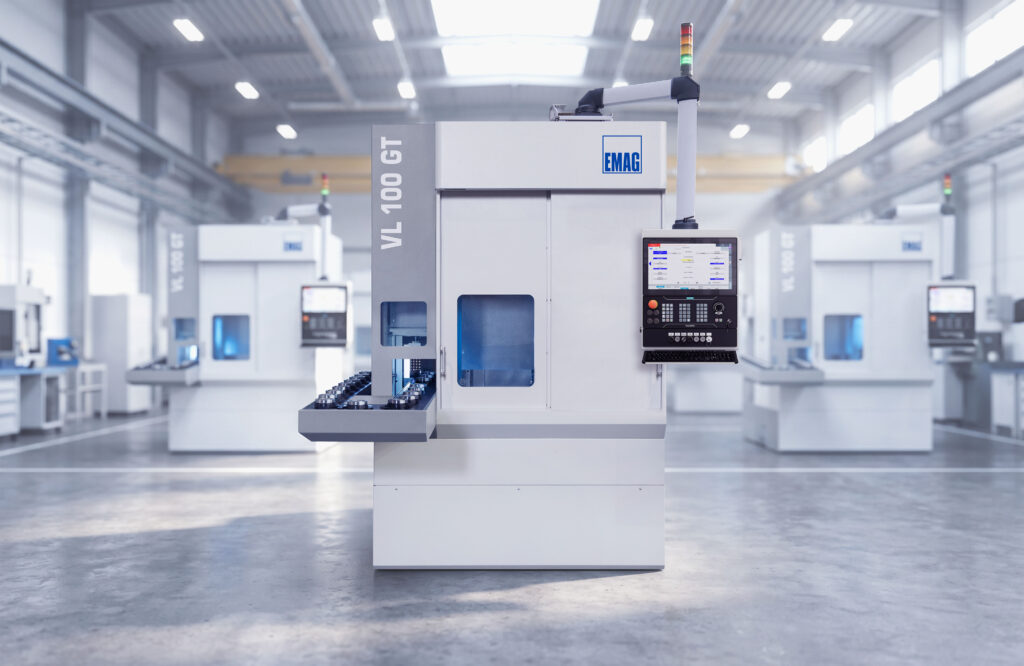
EMAG has introduced the VL 100 GT, a vertical turning and grinding center for small chucked components up to 100 mm in diameter. The machine combines hard turning, internal grinding and external grinding in one setup. For high-volume parts such as gears, sprockets and pump rings, this approach reduces handling and machining time. It also helps maintain reliable positional relationships between features.
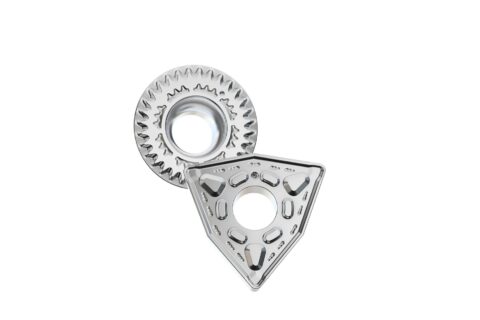
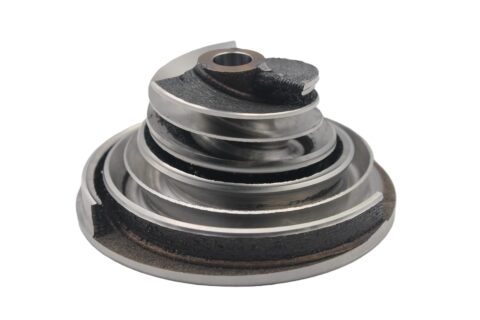
After hardening, components such as planetary gears, individual cams and wave generators require several finishing operations. Bores, outside diameters, running surfaces, end faces and chamfers may need to meet demanding requirements for dimensional accuracy, surface finish and geometry. Traditionally, these operations can require separate turning and grinding machines. They also involve reclamping between processes.
The VL 100 GT combines the technologies in a compact machine with a footprint of around 9.6 m². The work area can be configured for internal grinding, external grinding, hard turning or a combination of these processes. The machine is part of the VL GT family. This range also includes the VL 200 GT and VL 350 GT, which handle workpiece diameters of up to 200 and 350 mm, respectively.
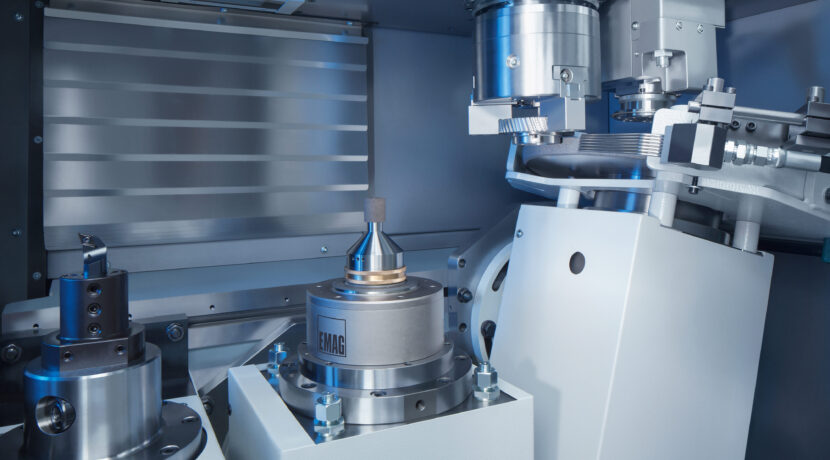
Vertical layout supports process stability
The VL 100 GT uses a vertical machining concept. The workpiece spindle is positioned above the work area. It picks up components directly from the integrated conveyor system. The spindle then transfers them into the machine and returns finished parts before collecting the next raw component. This pick-up principle eliminates the need for a separate loading robot or gantry loader in the standard automation concept. Moreover, the vertical arrangement supports chip and grinding slurry removal. Chips and grinding slurry fall downward under gravity. Therefore, they are less likely to accumulate on the workpiece or guideways. According to EMAG, this reduces thermal interference and the risk of surface damage. It also lowers cleaning requirements. These factors can influence process consistency and machine availability in production environments. This is particularly relevant when processing hardened components in large quantities.
The machine base is made from MINERALIT polymer concrete. EMAG states that the material provides eight times greater vibration damping than conventional cast iron. This property is relevant in fine grinding operations that require surface roughness below Rz 1.2 µm. Vibration damping helps maintain stable grinding conditions. It also supports the production of distortion-free functional surfaces, including surfaces used in gearbox components.
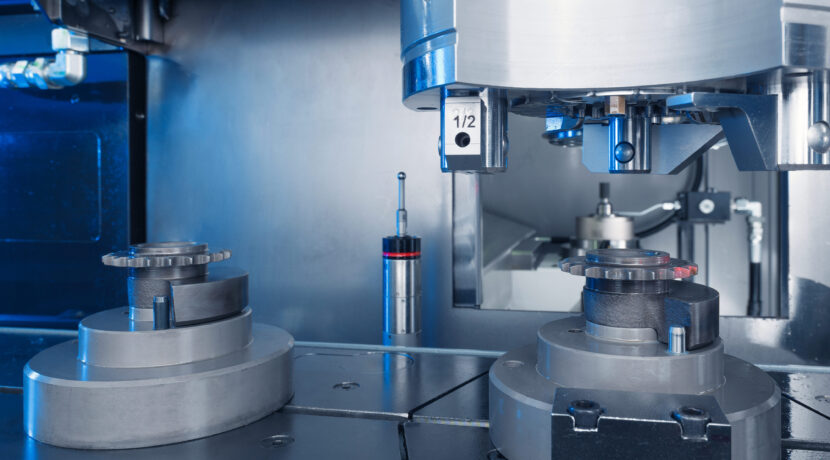
100 GT is based on the pick-up principle. Also shown in the image: the measuring
probe.
Configurable tools for combined finishing
The work area can be adapted to the workpiece and the required process sequence. Internal grinding spindles are available for bore machining with corundum or CBN wheels. External grinding spindles can process cylindrical surfaces, flat shoulders and contours. The machine can also be equipped with one or two solid steel holders for hard turning tools. This configuration flexibility allows the VL 100 GT to operate as an internal grinding machine, a turning and grinding center or a complete-machining platform. In a combined process, hard turning is performed first. It can machine features such as end faces, chamfers and flutes. These operations can be completed faster by turning than by grinding. Grinding then finishes the bores, outside diameters and running surfaces in the same clamping. As a result, the workpiece does not need to be transferred between separate machines for these operations.
Hard pre-turning leaves only a small grinding allowance of a few micrometres. This reduces the grinding material removal rate. It can therefore lower wheel wear and extend dressing intervals. EMAG also links the reduced grinding share to lower volumes of grinding slurry. The reduced grinding share can also reduce the effort required for cooling lubricant treatment. Depending on the configuration, dry machining is possible for certain operations. For out-of-round profiles, such as cams and eccentric surfaces, the X-axis uses a linear motor. The direct drive has no backlash. This is relevant when the axis repeatedly changes direction during profile grinding. The design also provides high acceleration. In addition, it avoids wear associated with mechanical drive components.
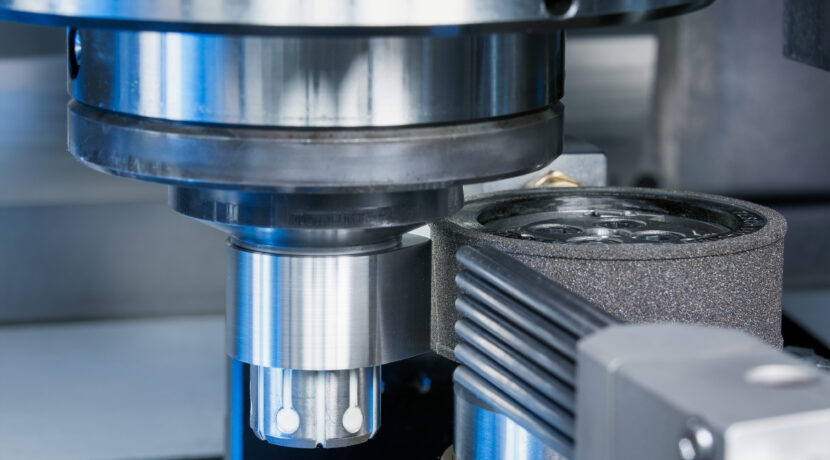
Measurement remains within the setup
The machine includes a structure-borne sound system. It detects contact between the grinding wheel and the workpiece. It also detects contact between the dressing roller and the grinding wheel. Adaptive process control monitors grinding conditions and adjusts the feed rate accordingly. Touch dressing is also supported. An integrated measuring probe is positioned between the work area and the pick-up station. This location protects it from contamination.
Because the part remains clamped throughout the machining sequence, measurements can be taken before, after or between operations. The workpiece does not need to be removed and reclamped for these checks. This helps preserve the positional relationship between machined features. EMAG illustrates the process with a sprocket application. The bore is first ground with a CBN wheel. The end faces are then hard turned with block-type tool holders. The integrated probe checks the machining result. The complete cycle takes less than 35 seconds. This includes around 10 seconds for workpiece changeover, 15 seconds for hard turning and 10 seconds for grinding.
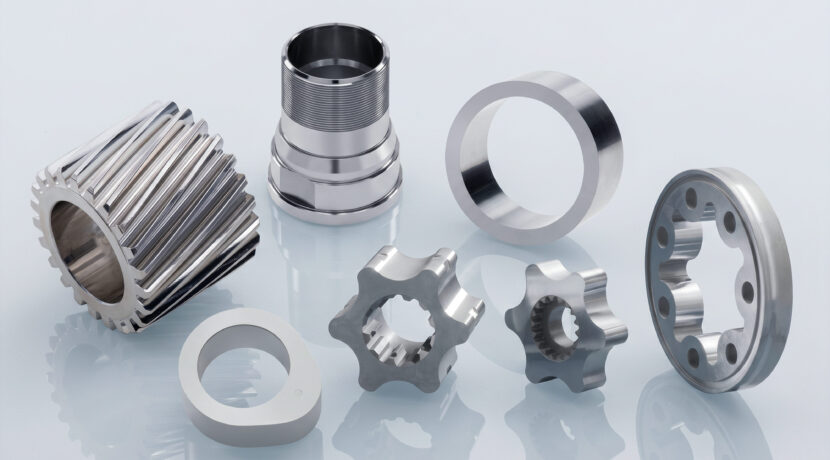
high precision using the VL 100 GT.