
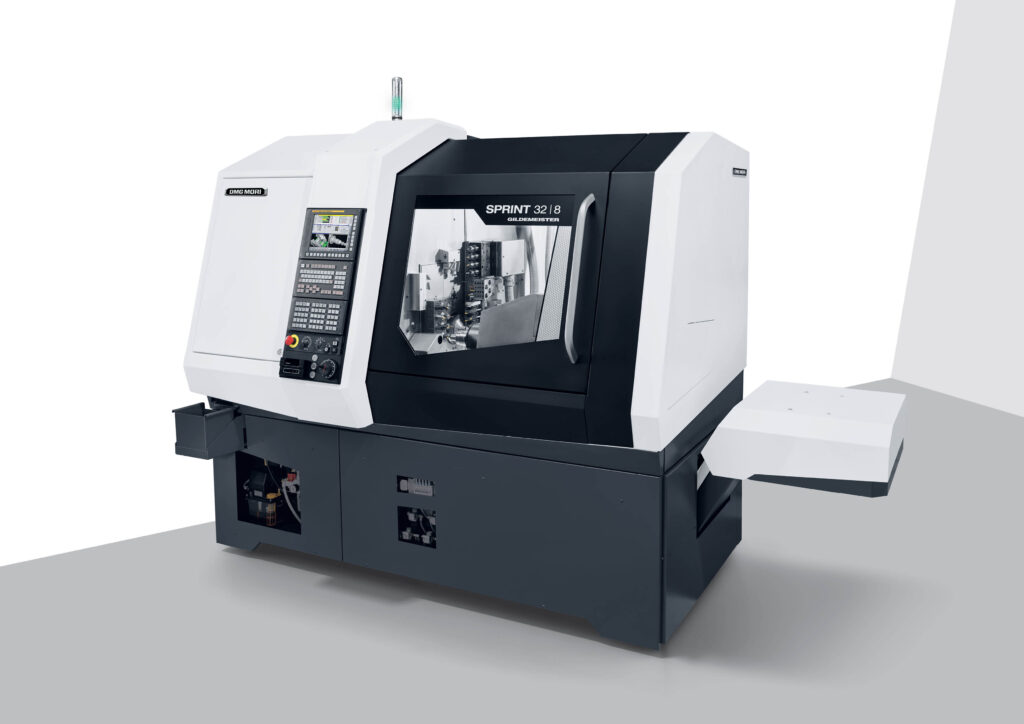
DMG MORI positions production turning as an integrated approach to manufacturing medical technology components. Instead of treating turning, milling, handling and quality documentation as separate steps, the concept combines them within coordinated machine and process architectures. The aim is to reduce manual intervention and support repeatable series production. It also creates traceable conditions for components ranging from bone screws to instrument parts.
Medical manufacturers face a growing range of component variants, cost pressure and limited availability of skilled staff. Small-batch production chains can involve several machines, repeated setup changes and manual handling. As a result, maintaining stable workflows can become more difficult. DMG MORI’s approach focuses on consolidating operations within horizontal turning platforms, supported by automation and process data.
Production turning includes machines with main and counter spindles, multiple tool carriers, powered tools, Y-axes and bar-feeding systems. This configuration allows machining operations to run in parallel. It also enables components to move through a largely continuous process, from raw material to finished parts. For medical production, the practical objective is to reduce reclamping and shorten non-productive time. It also limits internal handling steps that can affect process consistency.
Complete machining for small and complex parts
For bar-fed medical components such as bone screws and dental implants, DMG MORI uses SPRINT long-turn automatic lathes and MULTISPRINT concepts. These platforms support the productive machining of small parts. Completing several operations without transferring workpieces between machines can simplify the production flow. Reducing reclamping is particularly relevant for repeatable series processes. Fewer handling stages can reduce manual intervention. They can also create more controlled conditions between machining operations. The machines process components continuously from bar stock. The machine configuration is selected according to the part geometry and production requirements.
More complex instrument components require broader machining capabilities. Handles, hinged components, connecting elements and plug-in profiles can include cross holes, contours and flat surfaces in addition to turned features. DMG MORI positions its NZ platform, NZX series and SPRINT turret machines for these applications. Main and counter spindles, multiple turrets, Y-axes and powered tools enable front and back machining in one integrated setup. This can reduce cycle times. Moreover, it can help manufacturers control geometric relationships across several component features.
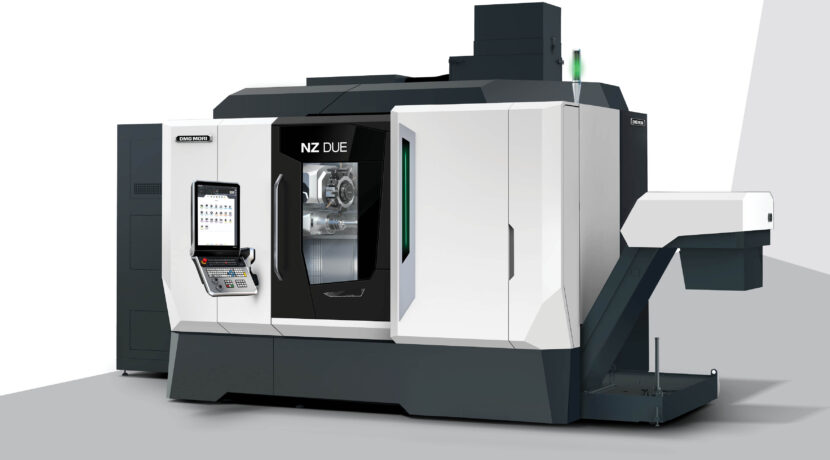
DMG MORI means performing multiple machining steps in parallel to reduce non-productive time and
to be able to process medical technology components in a largely continuous process from raw
material to the finished workpiece.
Process data supports traceability
Rotationally symmetric device components often require additional milled sections. Examples include shafts, housings, coupling elements and parts for medical drive and handling systems. In these cases, combining turning and milling operations on one platform can improve concentricity and dimensional accuracy. It does so by avoiding unnecessary transfers between machines. The company also integrates process, tool and workpiece data into the production architecture. This data can support traceability, quality assessment and documentation for audits. The focus is not only on machine output. It also involves creating verifiable machining conditions throughout series production.
This approach links process integration with automation and digital systems. According to DMG MORI, these elements address fragmented workflows by connecting machining operations, material handling and production information more closely. For manufacturers, the relevance lies in making process stability and documentation part of the production concept. Therefore, these factors are considered before individual machining steps are defined, rather than added afterward.
Extending the concept beyond turning
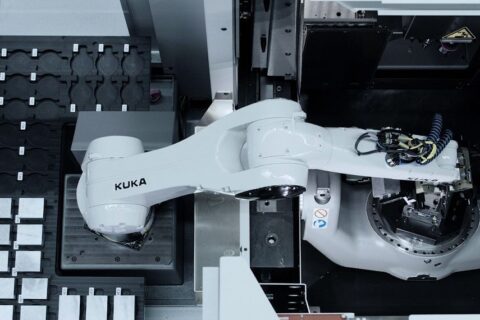
DMG MORI’s Medical Excellence Centers combine machine selection, application expertise, automation, digitalization and process development for medical technology applications. The support described includes greenfield and brownfield consulting, production planning, technology design, commissioning and service during production operations. The company also identifies applications that extend beyond production turning. Complex implants and orthopedic instruments, for example, can be machined on the NTX 500 turn-mill center. The machine is designed for complete six-sided machining. Integrated robotic automation, referred to as IMTR, can be added where higher productivity is required.
This broader machine portfolio reflects the differing requirements within medical technology. Small screws and dental implants can be produced from bar stock. Instrument components and complex implants may require more extensive turning, milling and automation capabilities. The common objective is to build production processes around the component and its qualification requirements, rather than around isolated machine operations.
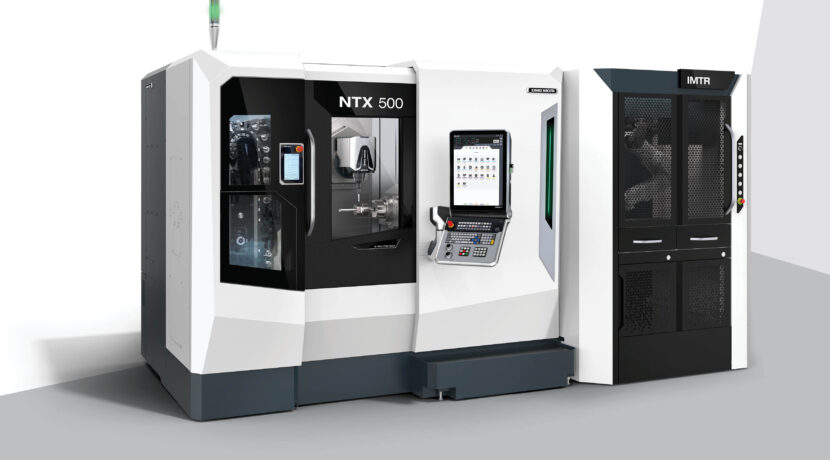
implants and orthopedic instruments.