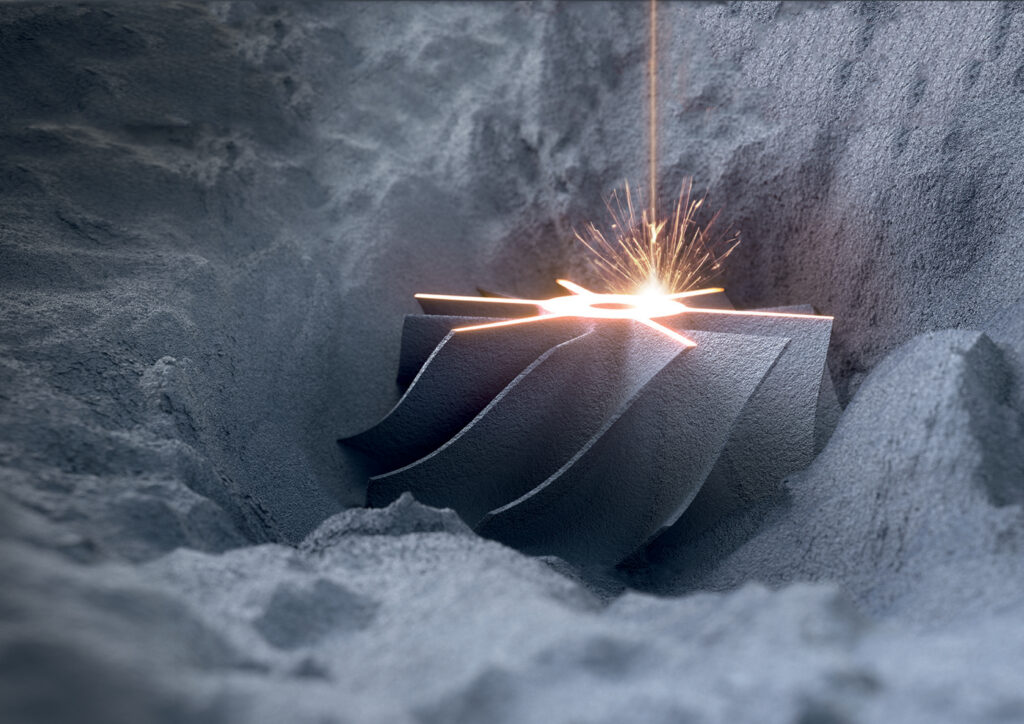
DMG MORI will present two metal additive manufacturing systems at Formnext 2026. Each system addresses different production tasks. The LASERTEC 65 DED hybrid 2nd Generation combines repair, coating and machining in one workspace. The LASERTEC 30 SLM 3rd Generation is designed for repeatable powder-bed production. Both systems focus on stable processes, shorter throughput times and integration into established manufacturing chains.
At the Frankfurt exhibition, held from 17 to 20 November, DMG MORI will demonstrate laser deposition welding with a powder nozzle on the LASERTEC 65 DED hybrid. The company will also show selective laser melting on the LASERTEC 30 SLM. The two processes serve distinct applications. DED adds material to existing or large components. It can also restore worn zones. SLM produces complex components through powder-bed processes. In both cases, the focus extends beyond additive part production. Additive steps are combined with machining, inspection and job preparation in a production-oriented workflow.
Six processes in one DED workspace
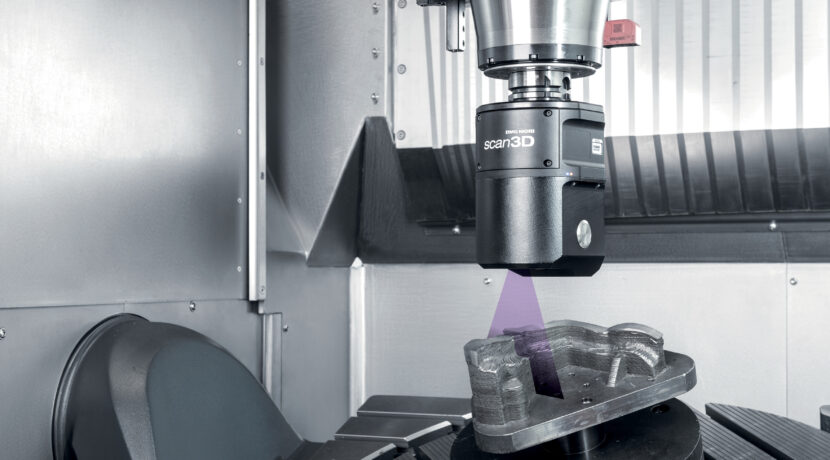
The LASERTEC 65 DED hybrid 2nd Generation combines laser metal deposition with simultaneous 5-axis milling. DMG MORI integrates up to six processes into the machine. These include milling, turning, grinding, additive deposition through a powder nozzle, laser-based preheating and scan3D measurement. This combination is particularly relevant for repairing worn components. First, the scan3D system captures the affected area. It then generates a point cloud for comparison with the target dataset. The damaged material can be milled away to create a defined base for deposition. Before material is added, the machine uses laser-based preheating. According to DMG MORI, this reduces the risk of stress cracks during deposition.
Sensors and cameras monitor key process parameters during laser deposition welding. The rebuilt area can then be milled to its final contour. The workpiece does not need to be removed or reclamped. Where tighter geometric requirements apply, grinding can be added. A final scan verifies the repaired zone against the target contour and documents the result. Avoiding reclamping is intended to support form and position accuracy. It can also reduce throughput time compared with process chains that use separate machines. The multi-jet nozzle enables 5-axis deposition with uniform powder distribution at the working point. DMG MORI states that the deposition rate is 35 percent higher than that of the previous generation. The larger workspace can accommodate components up to 170 percent larger.

workspace: milling, turning, and grinding, as well as additive manufacturing via a powder nozzle, are
complemented by laser-based preheating and the DMG MORI scan3D. (Pictures: DMG Mori)
Repeatability for powder-bed series production
The LASERTEC 30 SLM 3rd Generation is aimed at applications that require consistent component quality. This applies across multiple build jobs, machines and production periods. For additive series production, repeatability is a central requirement. Variation in critical features can lead to scrap, rework and less predictable production planning. DMG MORI attributes the machine’s process stability to a thermosymmetric concept. The concept is based on design principles from its milling and turning machines. Controlled management of thermal influences is intended to produce reproducible component properties and stable manufacturing conditions. The company reports that validation testing and feedback from industrial applications have confirmed low variation in critical component features.
The system uses up to four fully overlapping lasers. This arrangement is intended to increase output without compromising repeatability. The build volume has been expanded to 325 × 325 × 400 mm. This allows larger components or more parts within one build job. Material and job handling are also designed to support machine availability. An interchangeable build container allows the next job to be prepared while production continues in the machine. The closed-loop handling concept is intended to reduce inert gas consumption and limit downtime. Together, these measures address practical constraints in powder-bed manufacturing. Setup activities and interruptions can directly affect production capacity.

innovative features such as the interchangeable build container. This makes the powder-bed machine a
reliable and precise manufacturing solution for industrial production chains.
Support from component evaluation to ramp-up
Alongside the machines, DMG MORI is highlighting its ADDITIVE INTELLIGENCE consulting unit. The group supports users from the initial component assessment through design, technology selection and series production. This support includes hybrid process chains, machine integration and digital solutions. The company states that its Additive Manufacturing Reference Factory produces more than 3,000 machine components annually using additive processes. This internal production experience supports customers during process development and ramp-up. Where required, the consulting unit also manages production ramp-up after the installation of an additive process chain. DMG MORI will exhibit the LASERTEC 65 DED hybrid 2nd Generation and LASERTEC 30 SLM 3rd Generation in Hall 12, booth D139, at Formnext.