
Medical technology manufacturers face demanding requirements for component accuracy, surface quality, cleanliness and process reliability. Cylindrical grinding systems play a central role in producing implants, surgical instruments and dental tools. These components are often made from difficult-to-machine materials. STUDER positions its internal and universal cylindrical grinding machines for these applications. Software and automation options support production where validated and repeatable processes are essential. The range of medical components extends from bone drills and spinal anaesthesia needles to hip prostheses and dental instruments. Their geometries can be complex. Materials such as titanium, stainless steel and ceramics create additional machining challenges.
At the same time, the industry operates under strict quality requirements. These include detailed specifications for equipment and processes. These demands are increasing alongside cost and efficiency pressures. Medical technology companies must maintain consistent production while facing a shortage of skilled personnel. They must also meet growing demand in ageing societies. Therefore, machine configuration, grinding technology, process qualification and documentation are closely connected. The practical objective is not only to achieve the required component characteristics. It is also to maintain stable production under controlled and certified conditions.
Internal grinding for hip prosthesis components
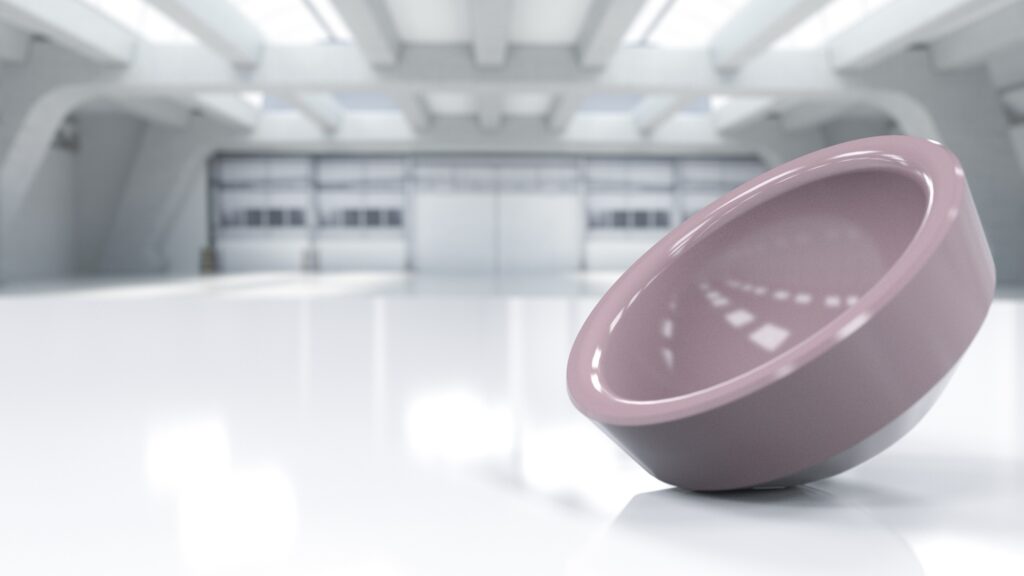
STUDER cites the S121 Radius and S131 Radius internal cylindrical grinding machines as examples for manufacturing hip joint balls and sockets. These components are used in hip prostheses. They can be made from biocompatible materials, including titanium and ceramic. Because these components may remain in the body for decades, quality and surface integrity are critical requirements. The S121 Radius is intended for complex workpieces made from very hard materials. Its configuration includes the StuderGuide guideway system and axis drives with linear motors. The S131 Radius adds a wider swivelling range for the B-axis. It can also accommodate up to four spindle positions. As a result, the machine offers greater flexibility for internal grinding operations.
Machine selection is therefore linked to more than basic capacity. In medical applications, demanding geometries must be produced repeatedly under controlled conditions. This capability is central to process reliability. For manufacturers, the grinding process and wheel specification must match the material and component requirements. STUDER states that its machines are used by larger manufacturers and smaller suppliers of medical technology components.
Software and automation address production pressures
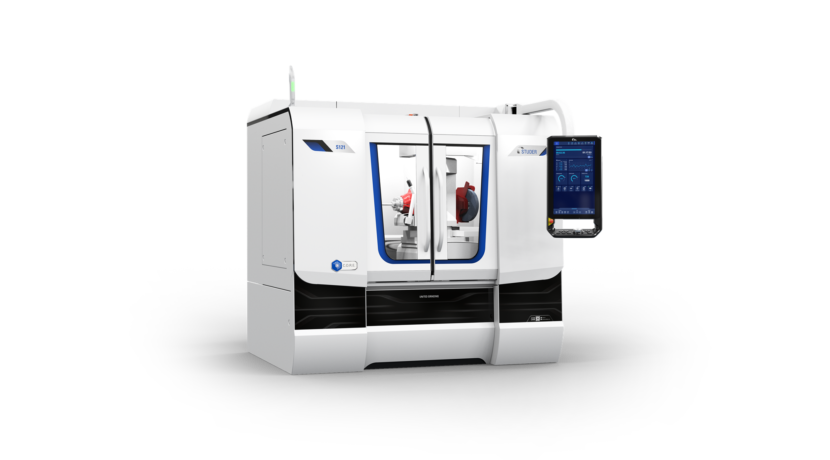
The S31 universal cylindrical grinding machine is used for dental instruments, such as carbide dental burs. It is also used for bone rasps in orthopaedic and surgical applications. Dental burs have complex geometries. They are used in dental laboratories that produce prostheses and splints. The S31 can be configured through a modular system for these tasks. Frequency-controlled motorised grinding spindles and a direct measuring system support the required machining results. STUDER also highlights software including StuderWIN, StuderPictogramming and StuderSIM. Integrated functions support profiling, measurement and contour generation.
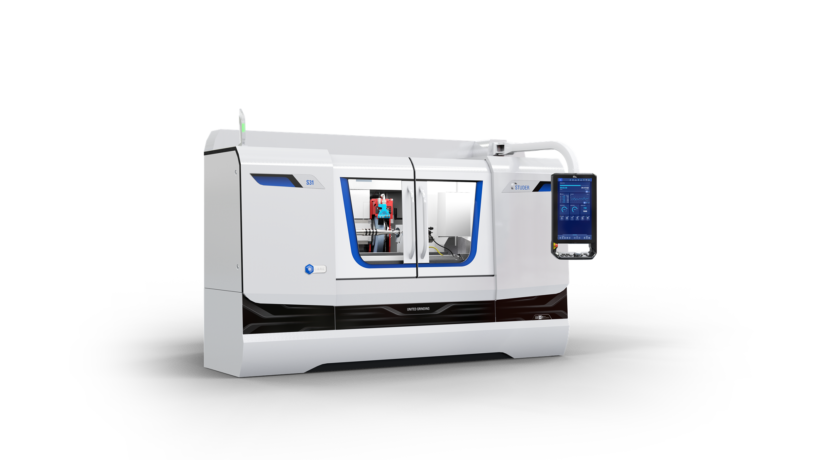
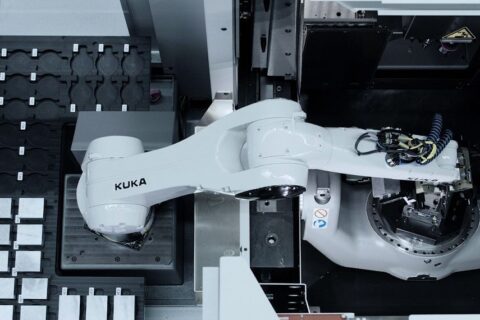
The machines also incorporate sensor technology and the C.O.R.E. hardware and software architecture from UNITED GRINDING. Operators can control production through a touch panel. Real-time data analysis is available within the system. These tools are particularly relevant where operators have limited grinding experience. They are intended to simplify complex tasks while maintaining a consistent production process. Automation adds a further dimension. Standardised loaders, robots and interfaces can be combined into automated systems. Customised setups are also possible. Reduced manual handling can support round-the-clock series production with limited staff. Moreover, it can lower the risk of contamination during medical component manufacturing.