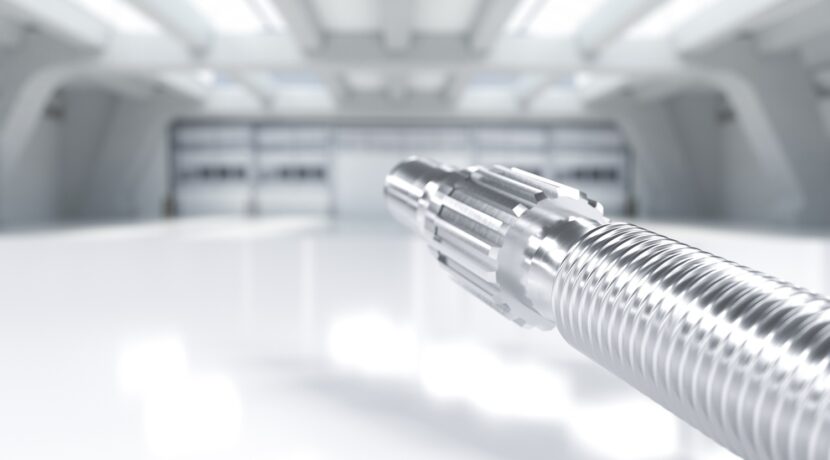

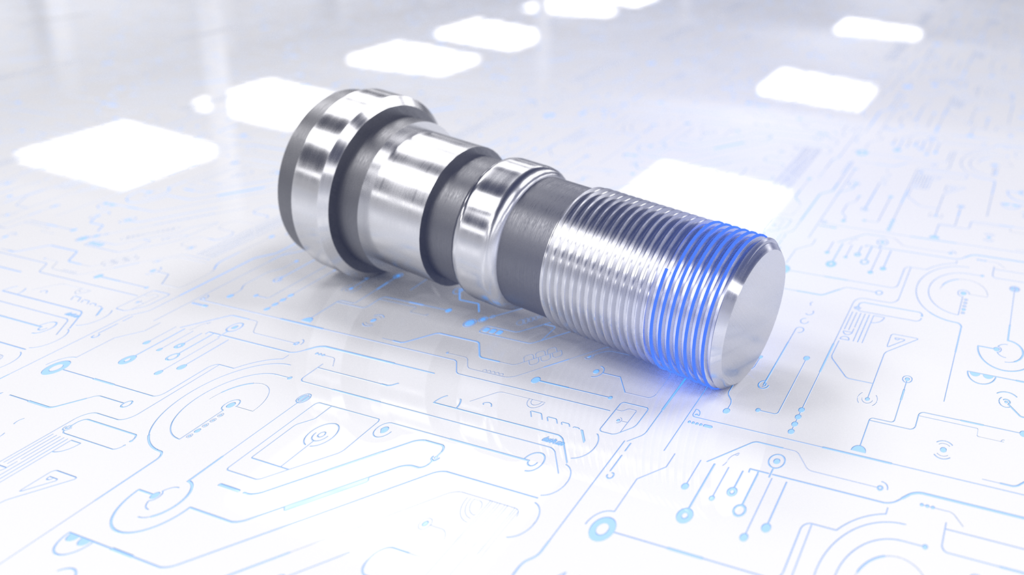
Studer’s universal cylindrical grinding machines can produce threads alongside other ground features with the appropriate software option. Combining these operations in one setup can improve positional accuracy and reduce handling. For manufacturers working with hardened components, this approach also offers an alternative to a separate thread grinding machine or outsourced production.
High-performance threads are often produced after a workpiece has been hardened. At this stage, turning or milling may no longer be possible. In thread grinding, a profiled wheel transfers the negative form of the required thread to the workpiece under synchronized CNC control. The process can involve tolerances of only a few micrometers. Therefore, repeatability is essential. Heat buildup can cause grinding burn, while vibration can affect the surface. The machine, wheel profile and coolant delivery all influence the result. Studer began developing thread grinding software with a controlled C-axis in the mid-1990s. According to the company, all universal cylindrical grinding machines in its current portfolio can perform the process with the appropriate software option. One in six Studer machines delivered is equipped for thread grinding.
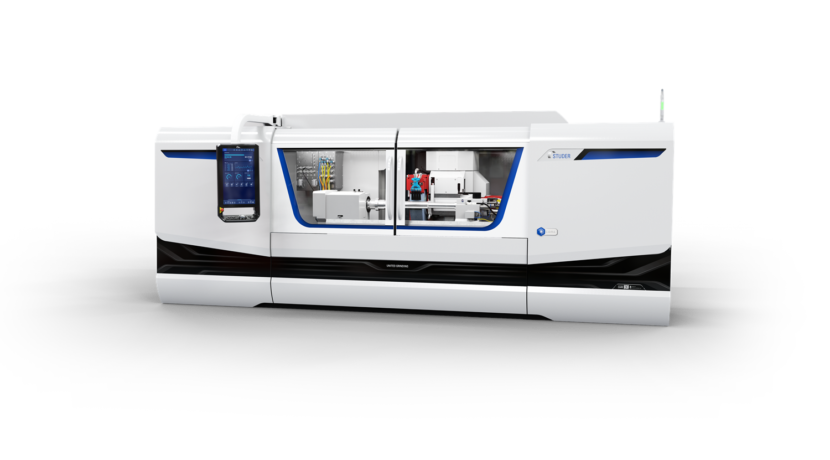
Combining cylindrical, profile and thread grinding
A universal machine can carry out cylindrical, profile and thread grinding in a single setup. This avoids setup errors between operations. It can also improve the positional accuracy of the thread relative to other ground features. Moreover, manufacturers that previously outsourced thread grinding can bring the operation in-house. The controlled C-axis and software-based profile correction support a range of common industrial threads. These include ISO metric and fine threads, mounting threads on tool holders, tapered threads, and internal and external thread gauges. Workpieces with a large lead angle require a different arrangement. For multi-start ball screws, worms and extruder shafts, Studer offers an optional A-axis on the S41 and S22. This axis swivels the grinding spindle to accommodate steeper thread angles. Studer introduced the option in 2013 for applications that had previously required specialized machines.
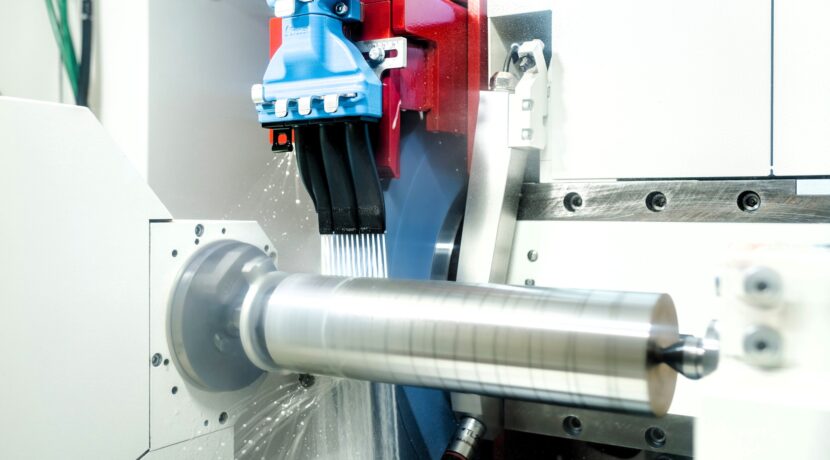
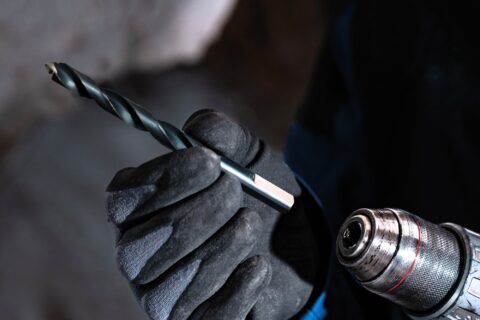
machine materials such as tungsten carbide, ceramics, or high-alloy steels. (picture: Studer)
Wheel dressing and coolant delivery
The S41 and S22 can also be equipped with WireDress for external and internal grinding. Based on electrical discharge machining, the system dresses and profiles metal-bonded diamond and CBN wheels without contact. Dressing takes place directly in the machine while the wheel runs at full operating speed. According to Studer, the resulting sharp wheels reduce the risk of grinding burn. They can also grind threads directly from solid stock. The company also offers its SmartJet coolant nozzle system. This system has been further developed for thread grinding to address heat buildup. These options are relevant when grinding difficult materials and steep lead angles. The company cites carbide threads on tool holders, ball-screw threads for drive technology and robotic lead screws as applications for its most capable thread grinding configuration. Wheel condition and coolant delivery are particularly important where heat could damage the ground surface.
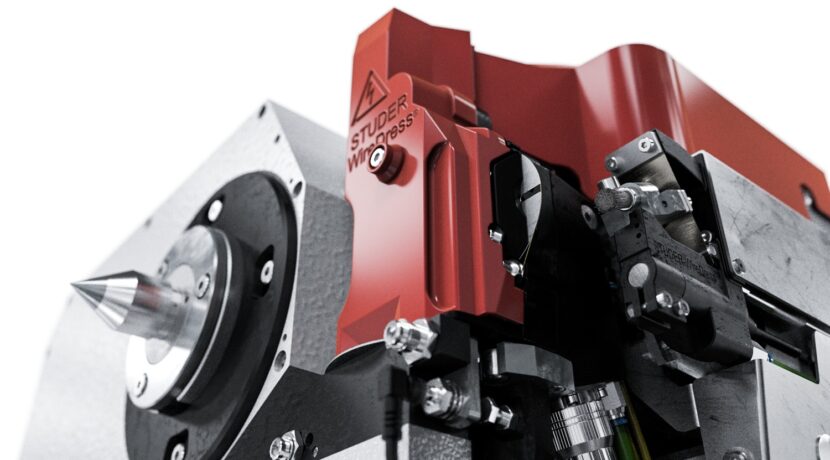
Thread grinding software from dressing to grinding
StuderThread creates the dressing program for the grinding wheel. It includes a library of common ISO standard threads. Operators can also configure multi-start threads or roughing and finishing teeth on milling cutters graphically. As a result, these functions reduce the amount of programming required. During dressing, ExactDress uses acoustic touch sensor technology to check whether the wheel profile has been fully conditioned. It automatically repeats the dressing process until the complete profile has been shaped. InOneThread then visualizes the grinding process on screen. It also suggests cut sequences before the cycle begins. The software is embedded in C.O.R.E., United Grinding’s operating platform. The platform brings control, programming aids and process monitoring together on a machine-mounted touch panel. For high-volume work, Studer machines can also be configured with gantry loaders as automated grinding cells for unmanned operation.