
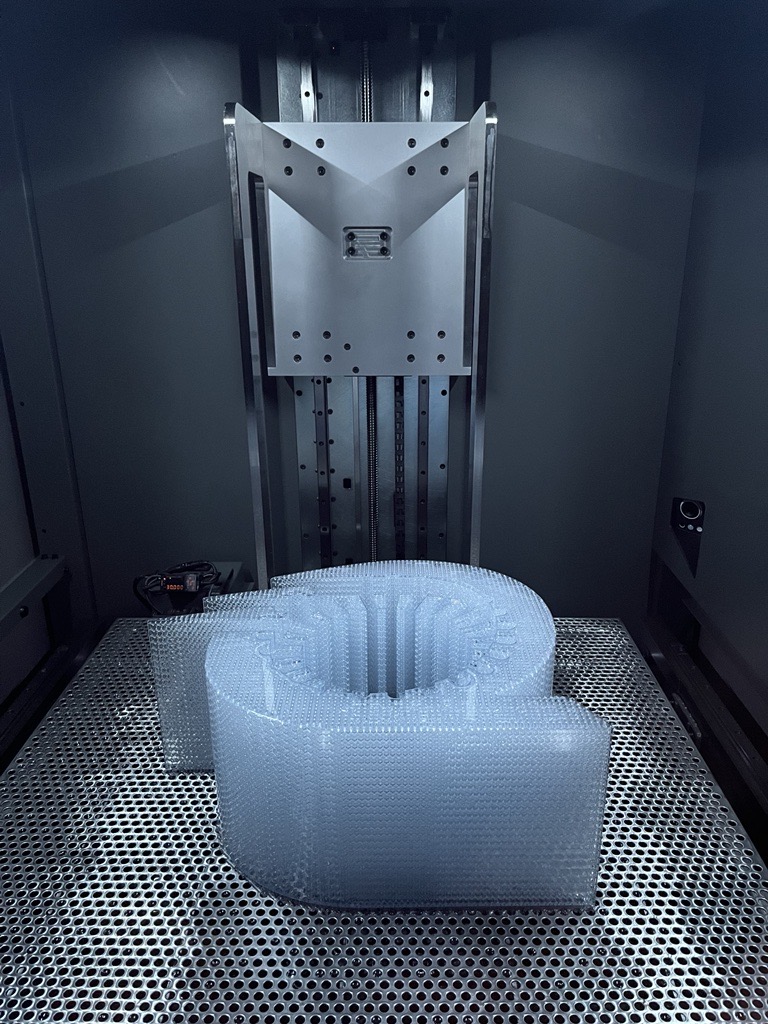
Quickparts is expanding its aerospace and defence manufacturing capacity. The investment brings its commitment to the Seattle Aerospace & Defense Center of Excellence to nearly $6 million. The programme includes 12 Stratasys NEO systems. These will be installed at facilities in the United States, France, Italy and the United Kingdom. The aim is to increase large-format additive manufacturing throughput and standardise production across sites. This is Quickparts’ second major capacity programme in 18 months. It follows the Seattle site expansion in November 2025. It also follows the introduction of the company’s DuraKor and ThermaKor materials in February 2026.
Quickparts combines its own facilities with a certified manufacturing partner network. This network covers North America, Europe and Asia. However, the company is increasing directly controlled capacity for programmes where delivery schedules, process control and traceability are central requirements. For space, defence and national security work, Quickparts identifies direct production control as increasingly important. These programmes may require suppliers to support launch schedules or production ramps. They may also require chain-of-custody documentation for every part. The new equipment is intended to provide this capability across several regions. Therefore, production will not be concentrated at a single location.
Standardised production across four countries
The 12 new NEO systems are intended to modernise Quickparts’ production fleet in the United States and Europe. According to the company, installation will increase large-format throughput by 40 per cent. It will also replace earlier-generation machines. Deployment began in August 2026. Completion at all sites is scheduled for October. Production standardisation is a central element of the programme. Quickparts states that a part qualified in Seattle will be produced to the same standard in France, Italy or the United Kingdom.
For customers with international supply chains, this could provide an alternative production location. It may help if tariffs, export control changes or regional disruptions affect an existing source. This approach is particularly relevant when changing manufacturing locations would require a new supplier qualification process. By using a common production platform, Quickparts aims to make capacity available in more than one region. The company also aims to retain comparable process conditions between sites. The Seattle centre remains the focal point of the investment. However, the equipment rollout extends Quickparts’ controlled additive manufacturing capability across its European operations.
Owned capacity for schedule-critical programmes
Quickparts uses a mixed operating model. It combines in-house production with a certified external network. This allows work to be sourced across regions according to capacity, cost and speed. The latest investment indicates that Quickparts is supplementing this model with additional owned equipment. This capacity is intended for programmes where delivery performance is a strategic consideration. In the space and defence sectors, production requirements extend beyond part manufacture. Suppliers may need to maintain direct process control and complete chain-of-custody records. They may also need to sustain output as programme schedules accelerate.
Quickparts positions the added equipment as a response to these requirements. This includes national security space programmes and crewed deep-space projects. The company also expects the standardised fleet to support European specialty and performance applications. These include motorsport aerodynamics and high-end vehicle programmes. Such programmes can have fixed development and competition calendars. As a result, they may offer limited scope for delayed deliveries. Space and national security programmes are driving the current investment priorities. However, Quickparts identifies these European applications as an ongoing part of its production activity.