
In mid-March, CERATIZIT organised a multi-day customer trip to several production sites in southern Germany and Austria. In Reutte, visitors saw where carbide tools begin to take shape. The factory is the heart of CERATIZIT’s primary carbide production, with processes for inserts, rods and customer-specific carbide products.
The route along the CERATIZIT sites showed customers how closely the different production steps are connected. What begins in Reutte as powder and granulate is later post-processed in Kreckelmoos and, in part, turned into finished tools such as milling cutters, drills and reamers in Balzheim. The trip therefore highlighted not only the individual technologies, but also the coherence of the entire production chain.
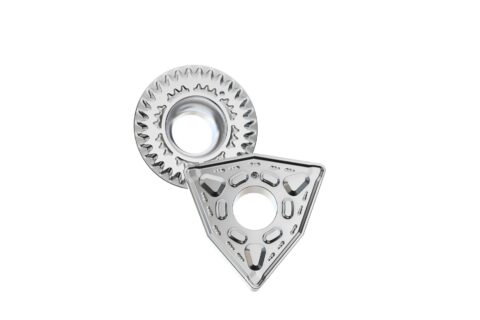
In Reutte, the focus is on converting raw materials into carbide semi-finished products and inserts. CERATIZIT processes around 160 tonnes of carbide granulate here every month. About 15 tonnes of this is used for inserts, corresponding to approximately 80,000 pieces per day. This makes the site an important link in the global availability of carbide cutting tools.
From powder to sintered product
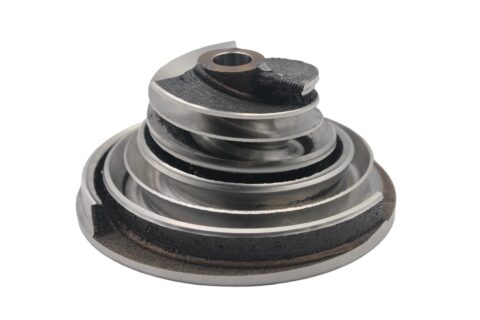
Production starts by mixing tungsten carbide powder with cobalt and other carbides. This mixing process takes four to nine hours. After heat treatment, the material becomes granulate, which is pressed into dies under high pressure. At this stage, the products do not yet have their final properties. They are brittle and about 20 percent larger than their final dimensions.
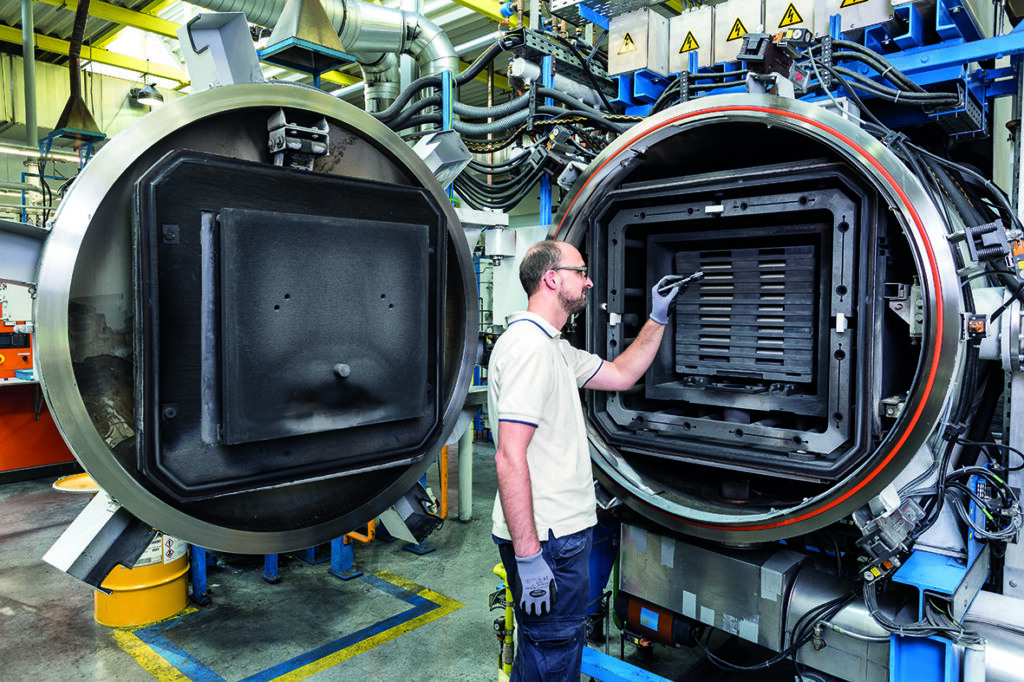
The final dimensions and mechanical properties are achieved during sintering. This process takes around eighteen hours and is carried out at temperatures of up to 1,600 degrees Celsius. During this step, the products shrink to their final shape, while inserts and rods acquire the hardness, toughness and wear resistance required for machining applications.
For customers, the tour mainly provided insight into the complexity behind what may appear to be a standard product. The final performance of an insert or carbide rod is already determined early in the process. The powder composition, homogeneity of the mixture, pressing pressure and sintering process all directly affect the quality of the final product.
Recycling becomes a strategic factor
Circularity was an important topic during the visit to Reutte. Carbide contains critical raw materials, including tungsten. The availability and price development of these materials make recycling increasingly relevant for tool manufacturers and end users.
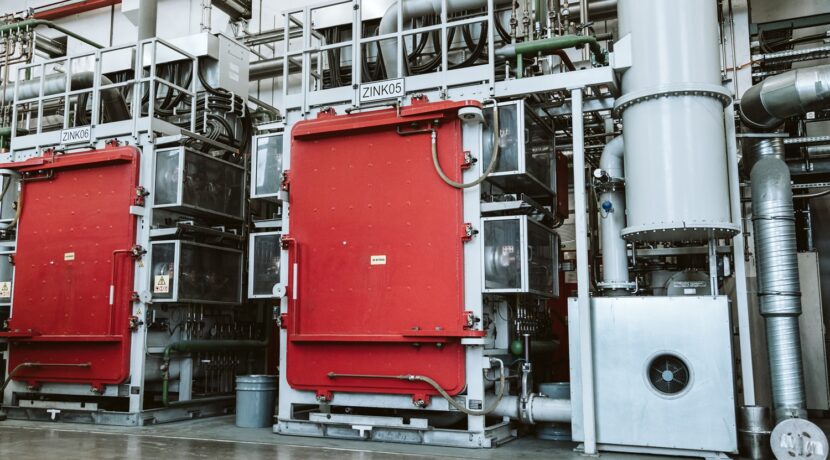
“Recycling now plays a major role in the availability of raw materials. We already started our own carbide recycling department in 2006,” said Kathrin Weirather, innovation manager at CERATIZIT. She explained how the company uses both the zinc process and chemical recovery to make tungsten carbide available again as a high-quality raw material.
Tinus Zuetenhorst, director of CERATIZIT Netherlands, also highlighted the practical side of this approach. “CERATIZIT has been offering a recycling service for quite some time. We buy back carbide based on the current market price, provide collection boxes free of charge and arrange transport. After collection, used inserts and tools are taken to recycling facilities, where the recovered materials are reused in the production of carbide. In this way, we work together with our customers to make our sector more sustainable.”
This gives the Reutte factory a broader role than production alone. The site is not only at the beginning of the chain, but is also connected to the end of a tool’s lifecycle through recycling.
Read more about the other Ceratizit factories
Ceratizit’s customer trip showed how carbide tools are produced step by step within an integrated production chain. In Reutte, the process begins with powder, granulate, pressing and sintering. In Kreckelmoos, inserts and rods undergo post-processing. In Balzheim, carbide rods are turned into drills, milling cutters and reamers. Kempten is home to Ceratizit’s Technical Center, where live tool demonstrations are carried out. Kempten also houses the logistics center, from where all tools are shipped to customers on the same day. Read the articles about the other factories to see how each location contributes to the quality, availability and application of carbide tools.