
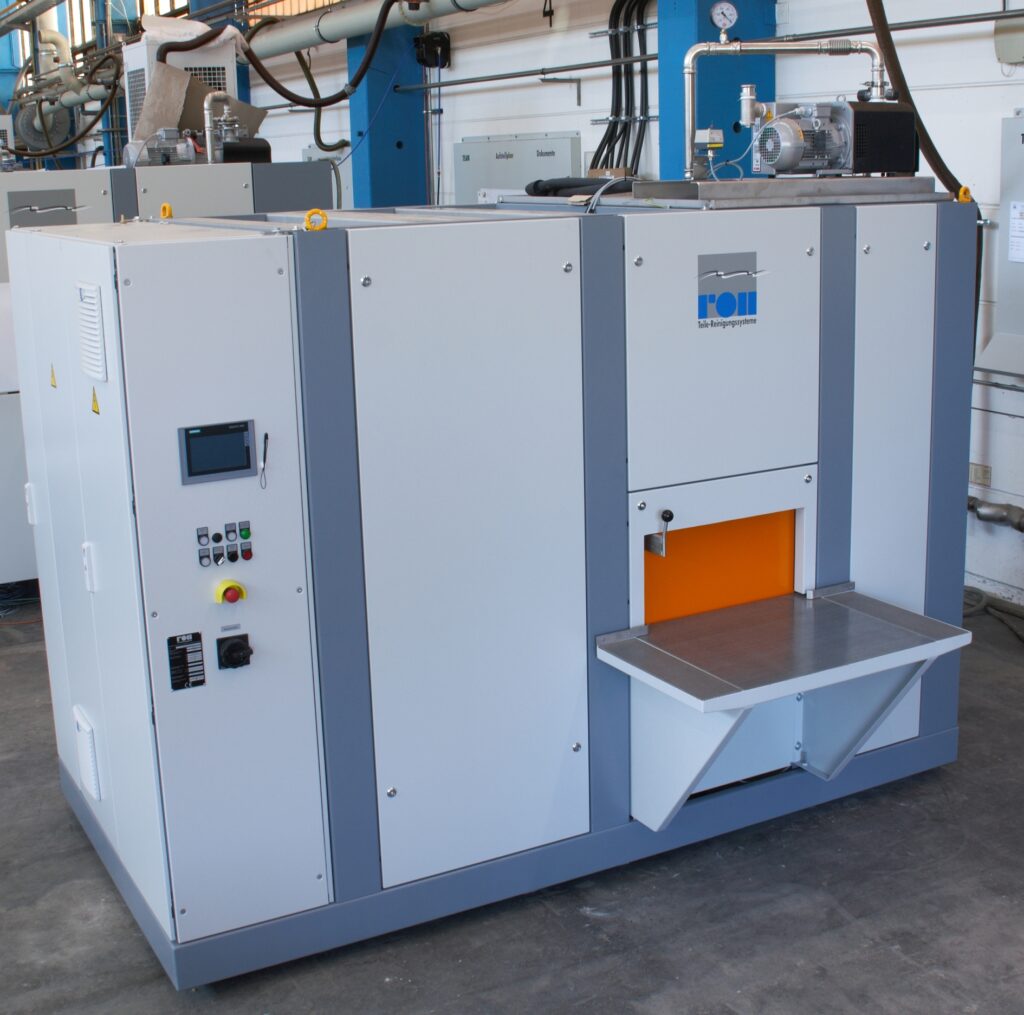
Parts cleaning is increasingly required for smaller quantities while maintaining consistently high cleanliness specifications. Karl Roll has developed the Focus solvent cleaning system for this operating profile. The compact, closed-loop plant is intended for applications requiring reproducible cleaning results. It also limits investment, floor space, energy use and solvent consumption. Industrial transformation is changing how components are cleaned. In some applications, production no longer involves only high volumes of identical parts. Instead, smaller batches may need more frequent processing. Cleanliness requirements, however, remain unchanged. This places pressure on cleaning operations to remain reliable and economical when plant utilisation is lower.
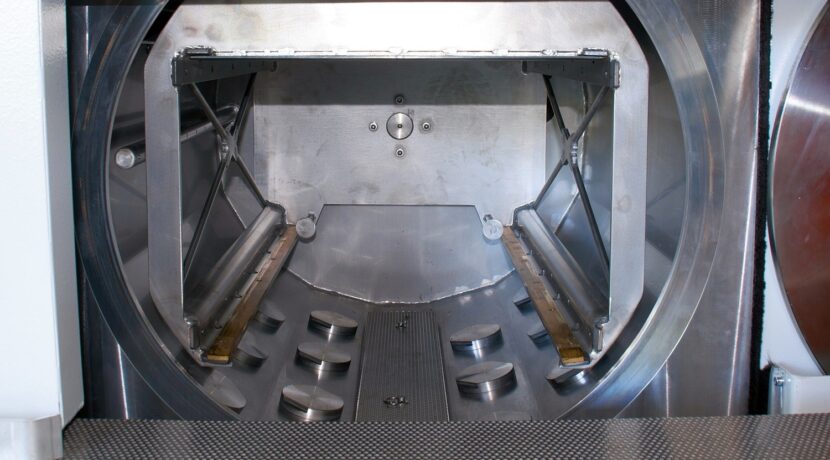
The Focus system is designed as a plug-and-play solvent cleaning plant for these conditions. It requires an industrial power supply and a compressed air connection. This reduces installation requirements. The system operates under full vacuum and can use hydrocarbons or modified alcohols. Its working chamber accepts loads up to 565 × 365 × 250 mm. The maximum load weight is 50 kg. Therefore, the system focuses on smaller components and lower cleaning volumes.
Two media circuits for cleaning and conservation
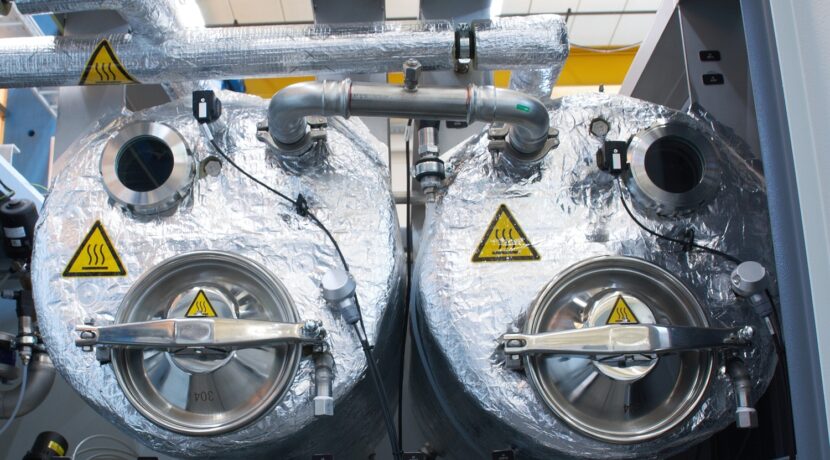
The standard configuration includes two solvent tanks. Each tank has a separate media circulation system and bypass filtration. This arrangement supports different process strategies, depending on the required component condition after cleaning. For applications with demanding cleanliness specifications, one tank can be used for pre-cleaning. The second tank can then be used for fine cleaning. Separating these stages helps prevent contaminants removed during pre-cleaning from entering the final cleaning stage. Alternatively, the first tank can be used for cleaning and the second for conservation. This can be relevant when cleaned parts require protective treatment before further processing or storage.
Two pumps are installed to empty the working chamber quickly. The plant also includes ultrasonic elements in the chamber as standard. The ultrasonic frequency can be adjusted to suit company-specific requirements. The combination of solvent circulation, filtration and ultrasound is intended to support repeatable cleaning results. At the same time, it keeps the process focused on essential equipment functions. Loading is supported by an integrated loading aid. This is intended to improve ergonomics during manual handling. Where required, the system can be expanded with automatic loading and unloading. A barcode scanning system is also available for unmanned operation. It provides an option for identifying and processing defined component batches.
Distillation supports longer solvent use
Solvent condition is central to cleaning quality and operating costs in closed-loop cleaning systems. The Focus therefore includes an integrated distillation unit for continuous processing of the cleaning medium. Residual oil separated during distillation is removed continuously through an automatic oil discharge system. By removing this oil, the system is designed to keep the solvent free from residual oil for longer. This also extends the usable life of the cleaning medium. Particulate contaminants released during cleaning are removed through a filter unit. Together, filtration and distillation address the two principal contaminant types described for the process: particles and oil.
Karl Roll also places emphasis on energy consumption when selecting vacuum pumps, heaters and drain pumps. Heat generated by the distillation unit is used within the system. Heated media are insulated to reduce heat loss. These measures are intended to lower operating energy demand. They do so without omitting the process equipment required for high cleanliness specifications. During manual filter changes, an incorrectly sealed filter housing can allow solvent to escape. For this reason, the system can be fitted with an automatic lid lock. The option is intended to prevent the filter housing from opening when the seal is incorrect. As a result, it supports safer solvent handling during maintenance.