
European manufacturers are facing growing cost pressure. Persistently high energy prices, competition from low-cost regions and stricter sustainability requirements are already weighing on margins, and the conflict in the Middle East is adding further uncertainty. For energy-intensive sectors such as plastics processing, safeguarding the economic viability of production has become a pressing issue.
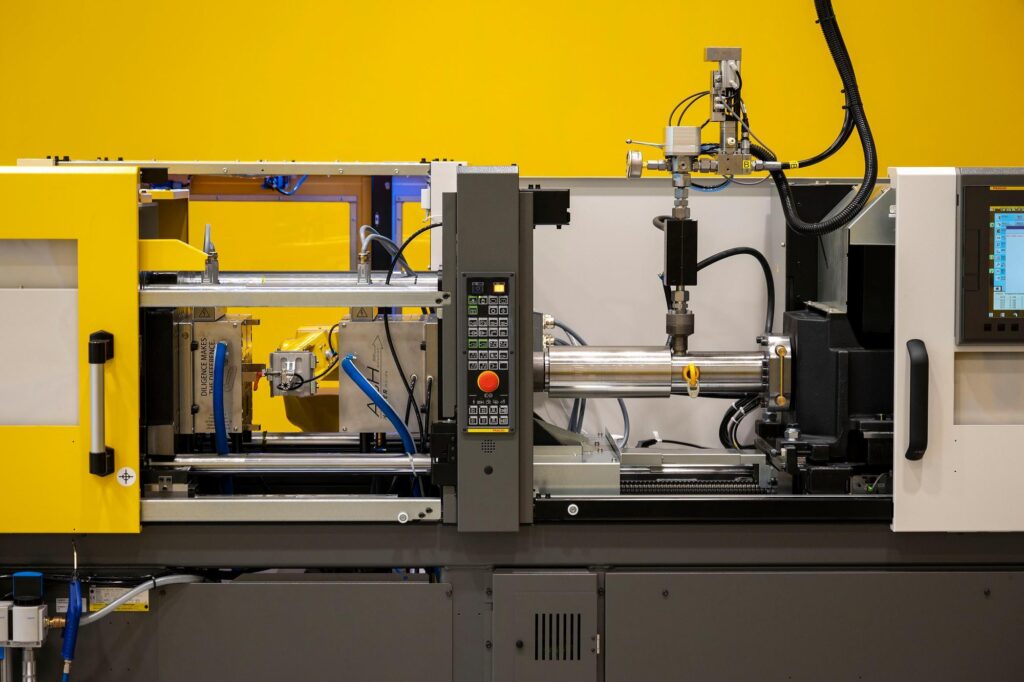
One response is the shift from hydraulic to all-electric injection moulding machines. Even when compared with modern hydraulic systems, all-electric machines can cut energy consumption by double-digit percentages. They also eliminate the substantial water demand associated with hydraulic technology, which remains a significant cost factor for the industry.
More than lower energy use
According to David Pinter, injection moulding machine expert at FANUC Europe, the case for all-electric technology extends beyond energy savings alone. Precision, repeatability, cycle times, scrap rates and machine footprint also play an important role in production economics. Improvements in these areas can reduce raw material use and avoid unnecessary spending on factory space. Pinter also points out that smaller machines are often more cost-effective to automate.
FANUC positions its ROBOSHOT machines around these requirements. The company says the machines combine high-precision and energy-efficient CNC and servo technology, developed and manufactured in-house, with rapid machine set-up and adjustment and a particularly small footprint.
Focus on total cost of ownership
Beyond process performance, FANUC also highlights the effect on total cost of ownership. Lower mechanical wear, minimal maintenance requirements and higher residual value are presented as further advantages of all-electric technology. According to the company, a FANUC injection moulding machine typically remains in operation for 15 to 20 years while maintaining high servo efficiency.
Against a backdrop of continued global uncertainty, FANUC expects the transition to all-electric injection moulding machines in Europe to accelerate further. The company points to its 40 years of experience in all-electric injection moulding technology and links this to an ongoing focus on innovation and sustainability. It also refers to independent assessments including A-List status in the CDP evaluations for climate change and water security, as well as a Platinum rating from EcoVadis.
Pinter says FANUC is doing everything it can to help injection moulding companies navigate the current economic and geopolitical challenges.