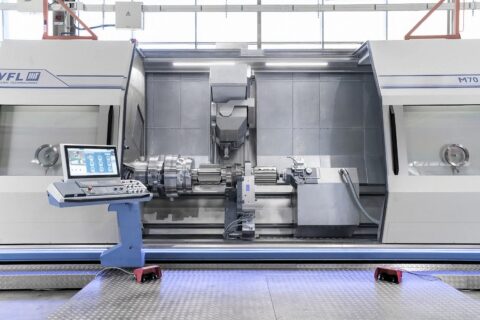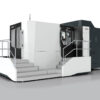

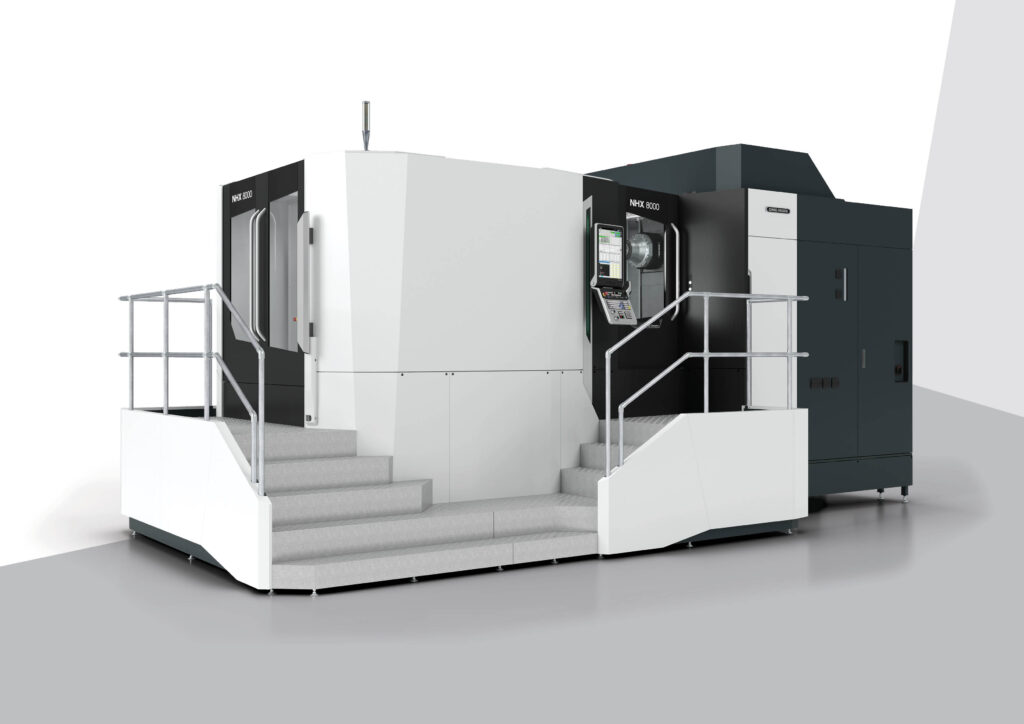
Horizontal machining remains a core process in vehicle component production, not only for conventional engine parts but also for housings used in hybrid and electric drivetrains. With the fourth generation of its NHX 8000, DMG MORI is positioning a large horizontal machining center for this environment, with a focus on chip control, machine rigidity and integration into automated series production.
That positioning reflects a broader manufacturing requirement in the mobility sector. Suppliers and OEMs need to machine complex cast components with repeatable quality, while keeping nonproductive time under control and leaving room for future product changes. Cylinder blocks and cylinder heads are a familiar example, but similar demands also apply to motor housings and power electronics housings. In that context, horizontal machine concepts continue to be relevant because they combine multi sided access with a layout that supports stable chip evacuation. DMG MORI places the NHX 8000 4th Generation in this part of the market, where large work envelopes, process reliability and automation capability matter more than isolated peak values.
Chip evacuation and multi sided access
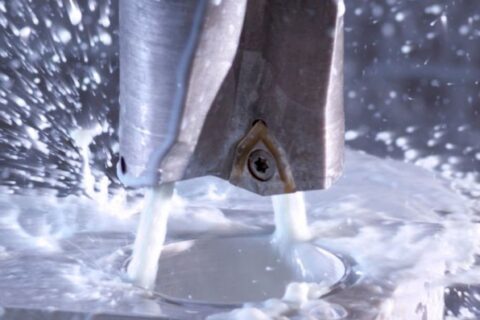
A central argument for horizontal machining in this application is straightforward: chips fall away from the cutting zone more easily. For large components with deep pockets and bores, that has direct process relevance. According to DMG MORI, the NHX 8000 4th Generation offers travel distances of 1,400 x 1,200 x 1,350 mm, giving enough space for machining large cylinder blocks and similar workpieces.
The machine is intended for materials such as aluminum, gray cast iron and vermicular graphite cast iron. In these materials, chip accumulation in cavities and bores can affect process stability and tool life, especially when machining complex castings. The horizontal spindle orientation is designed to reduce that risk. That also supports multi sided machining, which is one of the practical strengths of this machine category. Fewer reclamping steps mean less handling time and fewer opportunities for alignment errors. For components such as cylinder blocks and heads, with multiple bores, sealing surfaces and threads on different faces, this matters because positional relationships between features must remain consistent across the whole part. In practice, that makes the machine concept relevant not only for output, but also for stable quality in series production.
Rigid structure for roughing and finishing
DMG MORI also emphasizes the structural rigidity of the NHX 8000 4th Generation. In large part machining, that affects both productivity and repeatability. Roughing operations on cast components often involve high material removal rates, while finishing places tighter demands on bore quality, fits and surface condition. A rigid machine structure helps to cover both ends of that range on the same platform.
For this reason, the spindle options are notable. The machine is available with spindles up to 16,000 rpm, and with a powerMASTER spindle delivering 1,413 Nm of torque. That gives users a choice between higher speed machining and torque intensive cutting, depending on the component and process sequence. On large castings with flat faces and deep bores, this range can be important because roughing and finishing requirements may differ substantially within one part family. DMG MORI links this combination of rigidity and spindle capability to consistent quality across large production runs. For manufacturers, the practical value lies in being able to handle varied machining tasks on one machine platform without compromising process stability.
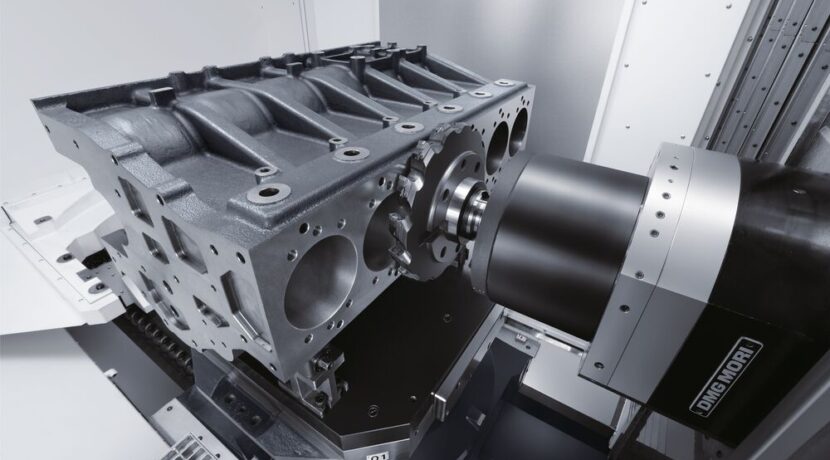
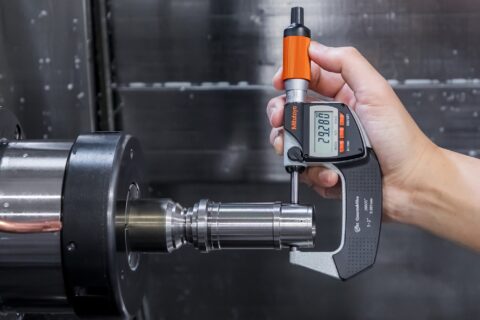
ideal for machining on horizontal machining centers from DMG MORI such as the NHX 8000 4. Generation.
Automation as part of the machine concept
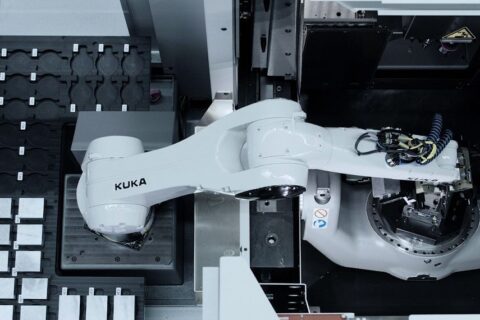
The NHX 8000 4th Generation is also presented as a platform for automated production cells and lines. DMG MORI points to rotary pallet storage and linear pallet pools as suitable configurations for cylinder block machining. The linear pallet pool can connect up to eight machines, accommodate as many as 99 pallets and include up to five make ready positions, which can be operated manually or optionally in automatic mode.
That matters because automated pallet handling does more than reduce loading time. It allows new jobs to be prepared while machining is still running, which increases spindle utilization and reduces interruptions between batches. DMG MORI also states that further process steps can be integrated into the pallet pool environment, including a laser station for component marking and traceability. In addition, autonomous mobile robots from the company’s AMR series can be used for tool supply and chip removal. Taken together, these features show that the machine is not being positioned as a standalone unit, but as part of a broader production architecture in which material flow, traceability and setup logistics are increasingly tied to machining performance.
Flexibility for changing mobility components
One of the more relevant points in the press material concerns production flexibility. The mobility industry continues to shift from conventional drivetrains toward hybrid and electric vehicle technologies, and that affects the type, geometry and volume of machined parts. DMG MORI argues that horizontal machining centers offer an advantage here because they combine series output with adaptability.
In practical terms, that means new component geometries, changed clamping concepts or different production volumes can be introduced within existing system structures, without rebuilding an entire line. For manufacturers facing uncertain product mixes, that can be as important as cycle time itself. The company also links the NHX 8000 4th Generation to digital production functions such as networked monitoring and documentation, although the press release does not go into technical detail on those systems. What is clear is the intended role of the machine, not just as a high capacity horizontal machining center, but as a building block in more connected and adaptable production systems for mobility components.