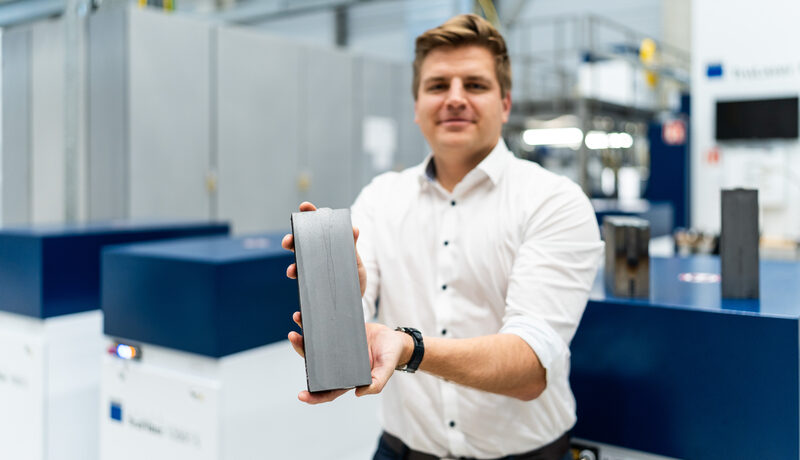

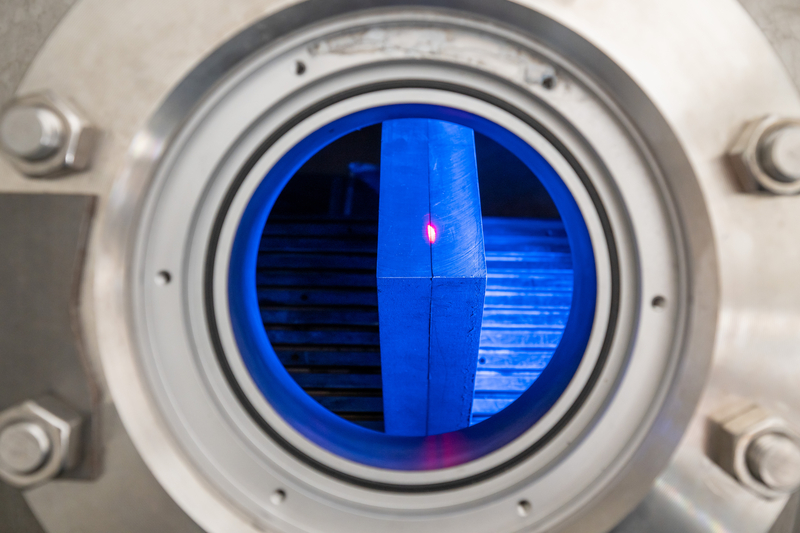
TRUMPF and researchers at RWTH Aachen University have welded steel to a depth of 14 centimeters in one pass. The team used a 50 kW laser under reduced pressure. The partners describe the result as a world record for laser deep welding. It could eventually reduce the number of passes required for large steel structures. Manufacturers often weld thick-walled steel components in multiple passes. The seam is built up layer by layer. This process takes time and can limit manufacturing speed. A deeper weld per pass could reduce the number of operations. However, the industrial benefits described by the project partners remain prospective.
The process is known as laser welding in a vacuum, or LaVa. It combines high laser power, beam shaping and reduced ambient pressure. According to TRUMPF, comparable laser processes had previously reached welding depths of 6 centimeters. Potential applications include offshore wind turbine structures. Examples include monopiles and foundations. Other sectors include shipbuilding, pipelines, plant construction and heavy machinery. TRUMPF also identifies large aluminum structures as a possible application.
Reduced pressure and beam shaping
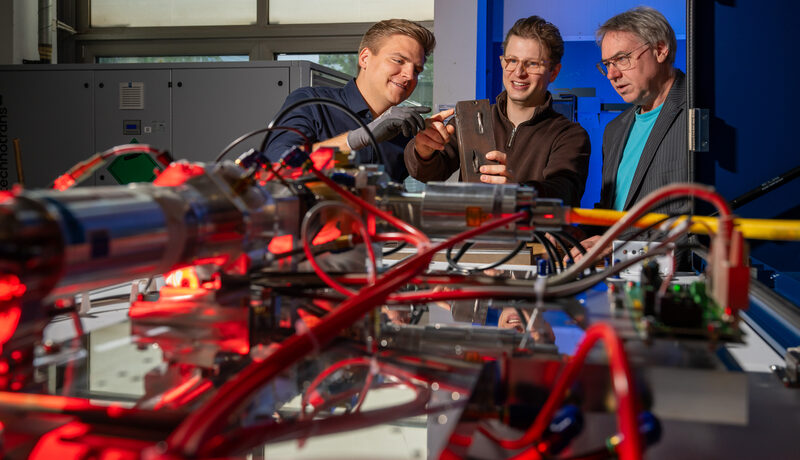
The team achieved the 14-centimeter weld at an ambient pressure of 50 mbar. Under these conditions, the laser beam penetrated deeper into the steel than at normal pressure, according to TRUMPF. Unlike electron beam welding, the LaVa process does not require a technically complex high vacuum. The experiments used a 50 kW TRUMPF laser with BrightLine Weld beam shaping. This technology controls the energy distribution within the laser beam. According to the company, it makes the welding process more stable and improves accuracy. Combined with reduced pressure, it enabled the deep weld demonstrated by the research team. The result reflects the experimental achievement. It does not represent an established production rate for thick components. RWTH Aachen researcher Simon Olschok says further advances are expected as laser power increases. The goal is to weld even thicker materials economically in one pass.
Fewer passes for large structures
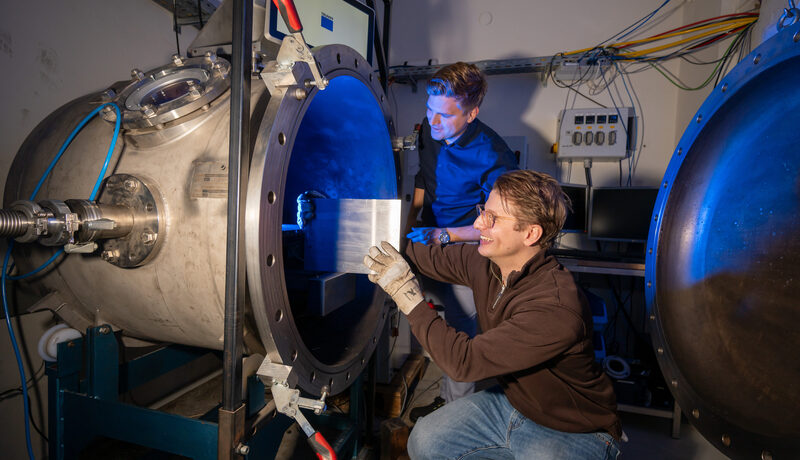
The practical appeal lies in potentially replacing multiple weld passes with fewer operations. For manufacturers of thick steel components, TRUMPF expects this could reduce time, energy use and costs. It could also increase productivity. However, the release does not specify the potential savings. The process could be relevant to offshore wind projects. Monopiles and foundations contain steel structures several centimeters thick. Shipyards and pipeline manufacturers also need to join thick-walled steel components economically and reliably. The team achieved the record in steel. TRUMPF identifies large aluminum structures as another possible application for LaVa. However, the release provides no welding depth or experimental result for aluminum.